

Flashback to the iconic Stockman’s Saddle Shop in Amarillo where Bob Marrs built his legacy.

Why anyone would want to make saddles, for a living, is one of life’s unknowns. The work is slow and oftentimes tedious; the money isn’t terrific, regardless of the craftsmanship level; quality materials can be a struggle to locate and keep stocked; almost everyone who orders a saddle fancies himself a true authority with specific opinions on how the saddle should come together (the saddle maker is only an instrument of this customer’s genius). And, if all this isn’t tough enough, what could be worse in a spell of beautiful outdoor days than building a saddle for someone else to ride? Given the jeopardy of saddle making, that a good man with skill lasts more than 30 years is certain testimony to that man’s dedication. Bob Marrs is among the few old-timer saddlers who has not only survived dim lights and closed-in quarters, but has somehow kept his enthusiasm. After all these years, Bob Marrs still cares when he hammers his stamp into a new rig.
To date, Marrs has signed 3,232 saddles, and has, in the process, learned a few things about leather and trees and hardware and how they must all mesh perfectly. It is a process that began meekly in 1949 in Colorado when Bob built his first wood for a banker’s daughter. Bob stopped in at Phil Trout’s western store in Gunnison where there were necessary space and tools for saddle making but no maker; Bob asked for the chance and got it, even though Bob had no experience. To make his first saddle, Bob had to tear apart another and study its construction.
Bob estimates that about 90 per cent of his customers want their rigging full double.
Bob and wife Betty left Colorado for a series of adventures, both in and out of saddle making. At That Leachman’s shop in Woodward, Okla., Bob served a year’s apprenticeship and learned flower tooling. Following the Leachman job, Bob found employment at the old M.E. Brown Saddle shop in Lubbock. Then it was back to cowboying, this time at Waggoner’s out of Vernon, Tex.; next stop was a saddle making job at Leddy’s in Fort Worth. In 1951, Bob found employment at the Stockman’s Saddle Shop on the outskirts of Amarillo, near the stockyards. The ranching and horse business in the Panhandle, however, was scheduled for a major setback brought on by the severe drought which lasted through 1953, and the Marrses were forced out of the shop and back to cowboying. Bob worked for the M.T. Johnson for a year when the owner of the ailing Stockman’s Saddle Shop offered him the store. Although the terms were right, it was still a gamble, and Bob thought the deal over carefully before seeing a banker. It was 1954 when Marrs put his own mark in a shop he and Betty have occupied all but four of the past thirty years.


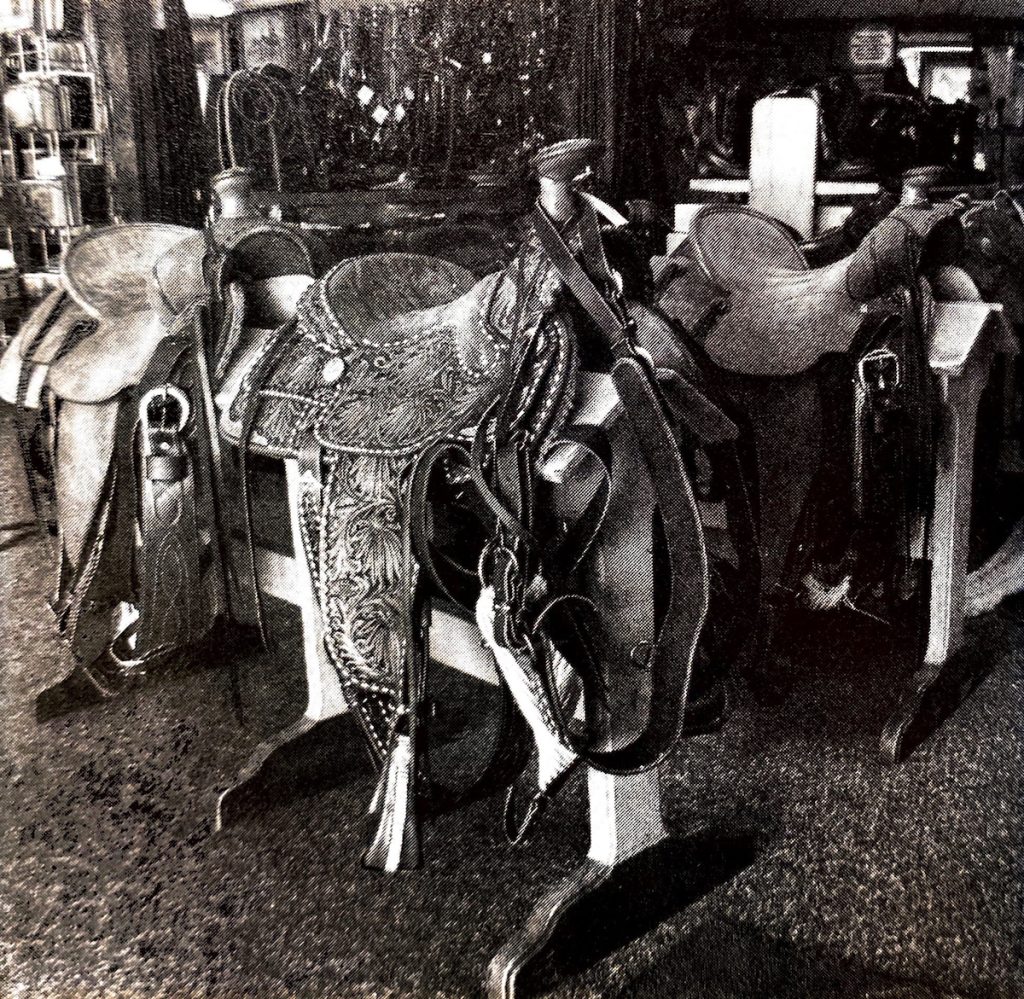
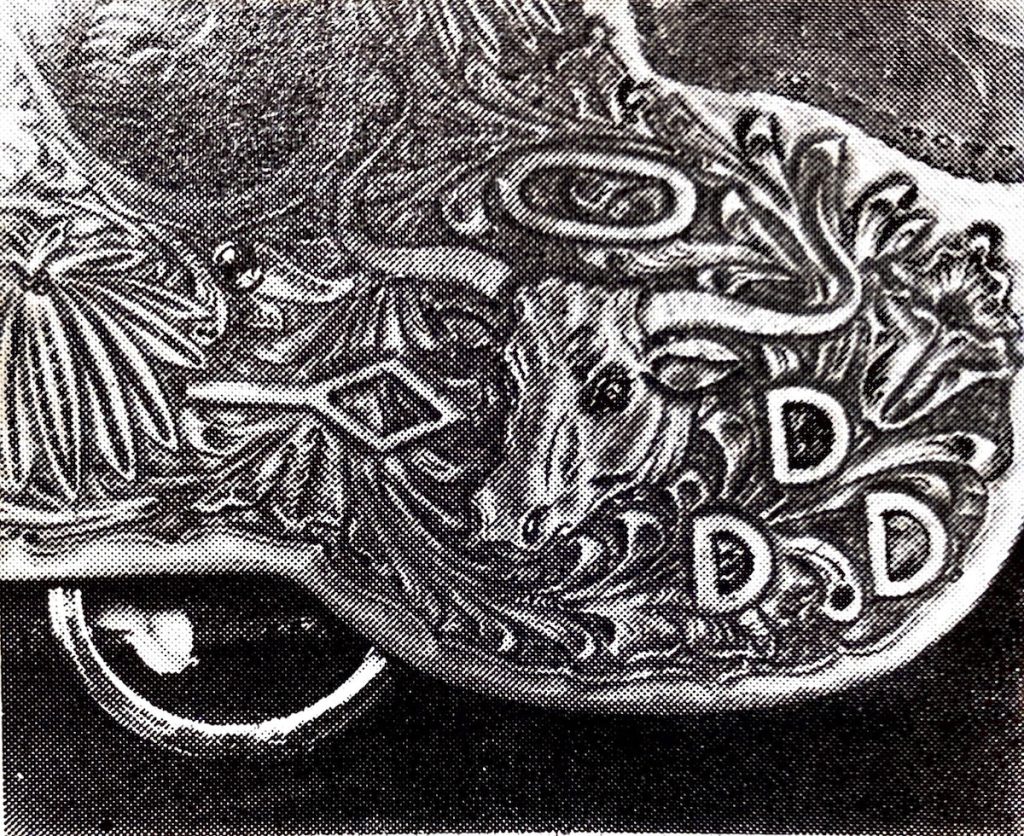
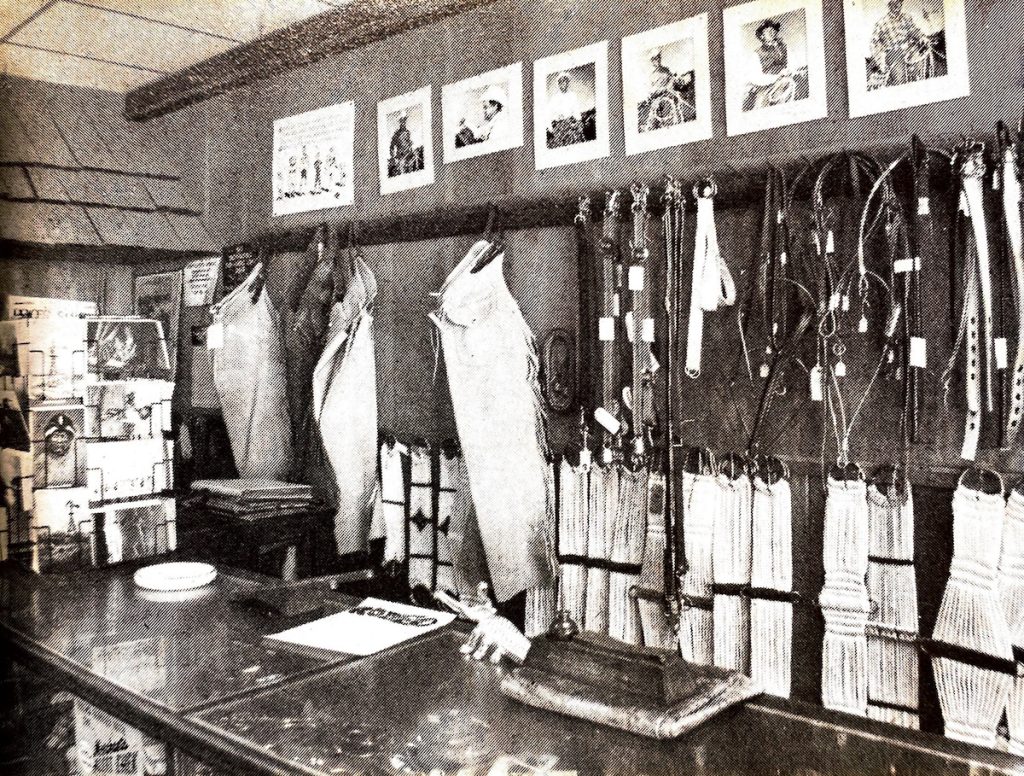
Bob and his crew—Sam Roper and Elbert Foster—built all kinds of saddles for all kinds of horsemen, from show ring types to working cowboys. And the trio does repair work of almost every description, as a healthy supplement to the backlog of custom saddle orders. On display in the store are a few Marrs saddles and a lot of serviceable saddles that the shop has taken as trade-ins; the shop also turns out custom leggings in many different styles, including the increasingly popular chink. But the business was, and is, maintains Bob, built around the cowboy, who has been the backbone in good and bad times.
Amarillo is a good location for a shop, especially a shop of tradition and dependability.
The Panhandle’s reputation as cow country is legendary, and there are still many large outfits running cattle and horses in big numbers. Team roping is strong, and getting stronger, in the area, and there seems to be more horse activity than ever going on. All of which combine to make Amarillo a good location for a shop, especially a shop of tradition and dependability. A Marrs saddle is recognized throughout the region as a standard by which other saddles are judged, and if anyone complains about the ten-month wait to receive a custom Marrs rig, they seldom let their impatience keep them from placing an order.


Like any good saddle shop, the work at Marrs’ Stockman is interrupted frequently by customers and visitors who drop by for a chat; getting work done while friends and customers poke aimlessly around the shop has plagued more than one saddle maker and has driven a few flat out of business. Handling the flow of traffic at the Stockman usually falls on Better, who runs the register and assists customers in the main part of the store. Betty can also take saddle orders, and is good at it, thanks to the many years she and Bob have worked side-by-side. A partnership such as Betty and Bob’s has meant the difference between just getting by and reasonable prosperity, without Betty, Bob acknowledges, not many Marrs saddles might have been built. As any saddle maker knows, the ability to craft a quality saddle is only a part of the game: running a shop requires business sense.
Bob and his crew build all kinds of saddles for all kinds of horsemen.
Bob has seen changes in saddle styles over the years, from low-cantled and hard-and-fast horned rigs to saddles with four-inch boards and high post dally horns. There are fewer saddles being built with padded seats, Bob notes, and most of the odd and sometimes freaky designs that flourished in the 1960s have disappeared. What has remained constant is the rigging, which in Bob’s part of the world is full double. Bob estimates that about 90 per cent of his customers want it. Among the popular trees are the low association (also called the modified association), which appeals to many cowboys and ranchers; there has been a rash of orders for saddles built on a Will James tree, and when Bob adds flower tooling, it makes for a very snappy using saddle.


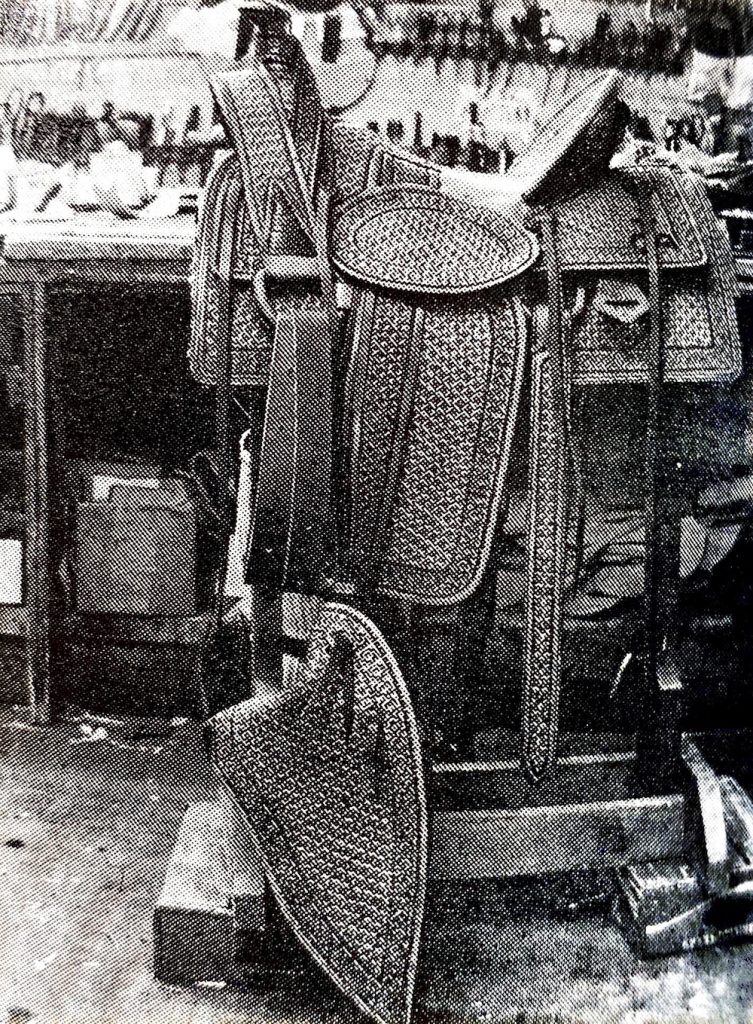
All Marrs saddles begin with a tree made by Tim Webb of Custom Saddle Trees in El Paso. Bob likes Tim’s trees because the quality is right and they’re patterned after the old Ritter tree, which Bob believes in unequalled for giving a good fit to a horse’s back. “In the last four years,” Bob says, “we’ve had no reports that our saddles are hurting a horse and we’ve only had one broken tree. A good saddle begins with a good tree; add to that stout rigging and a well0made seat, and you have the foundation of any quality saddle.”
Bob adds that “we can custom make just about anything a horseman needs, and we can duplicate an assortment of patterns and designs.” The shop once made a special saddle for a paralyzed child who was unable to sit a saddle unassisted. A tall back brace was affixed to the cantle and Velcro fasteners were added to the stirrups and brace to keep the child upright. Marrs saddles have been for trophy saddles for many Panhandle events, and Bob has been asked to make the trophy saddle for the all-around cowboy in this year’s Ranch Rodeo to be held in Wichita Falls in August; Bob considers the request one of the highest compliments ever paid him.
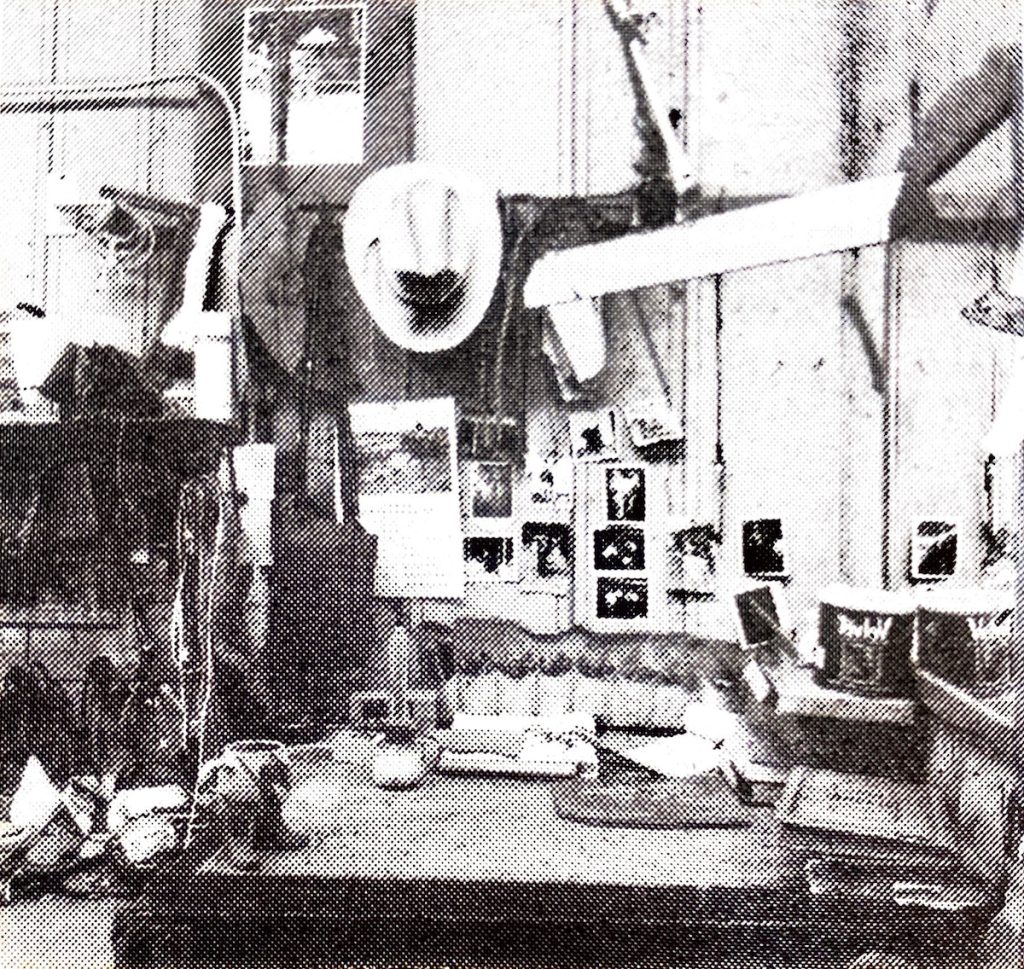
A basic Marrs saddle starts at $1,100, and carries a full guarantee. Although Bob has no catalog showing the kinds of saddles he’s made, saddles can be ordered through the mail or over the phone; a full description of what the customer wants in the saddle is required. Bob estimates that from the time the order is received to the time the saddle is completed there is a ten-month wait (Stockman’s Saddle Shop, 2710 E, 3rd St., Amarillo, Tex. 79104; phone 806-372-8439).
“We’re as big as we want to get.”
“We’re as big as we want to get,” Bob adds. “I don’t like getting too far behind on orders, but I won’t compromise on the craftsmanship. Every saddle that goes out of this shop with our stamp on it has to meet our standards. And with only three of us in the shop, I can personally see how every saddle is built, from beginning to end.”
This article was originally published in the July 1983 issue of Western Horseman.