
Colorado artist Jess Howard draws artistic inspiration from her ranching heritage.

Jess Howard is an artist, a cinch maker and a fifth-generation cowgirl. Her life — and art — have been shaped by the sagebrush steppe and the steep mountains that encircle her hometown of Gunnison, Colorado. Howard is also a recipient of the Art of the Cowgirl Fine Art Fellowship. Her artistic inspiration is fueled by long days in the saddle and a love for rural places stretching from Argentina to Alaska.
“When I was little, my parents would say, ‘She loves to ride horses, she loves to paint and she loves to be outside.’ Those three things have stayed true into my adulthood,” says 27-year-old Howard. “I’ve always drawn.”
With a sketchbook in hand, she enrolled in as many art classes as permitted, drawing and doodling her way through middle and high school. Handwritten class notes were peppered with portraits of horses and mountainous scenes in the margins.
Outside the classroom, Howard’s parents supported her interests in both arts and horsemanship. Howard and her two younger siblings rode in the Rocky Mountains with their father.
“My dad was the main range rider for the Powderhorn Pool for over 20 years; every summer, he would take us out riding with him,” Howard says. “That’s where I learned about moving cattle, being on the range with your horse and managing livestock in the most productive way possible with the least amount of stress on the animals. My mom was always supportive. She showed up for everything, big or small, and that was really significant. She is our No. 1 cheerleader.”
Family support and early range experiences cultivated in Howard an appreciation for her Western heritage — her forefathers arrived in Gunnison in the 1880s — and a desire to steward the land. However, it wasn’t until Howard was a freshman in college and on a study abroad trip that she realized art was her true passion.
“I was studying International Relations, and I thought that’s what I wanted to do,” Howard says. “I was at the United Nations building in Geneva, Switzerland. The center room has the most amazing art installation on the ceiling. I remember being inside that building and having to be involved in a political conversation, but all I could do was look up at the art installation. That’s when I had a lightbulb moment. I realized, I love art. What am I doing [studying politics]? I thought, ‘I want to be outside; I want to be with horses. I want to be back in my roots.’”
After the trip and epiphany, Howard changed her educational plans and began stepping toward her passions for riding and creating art.
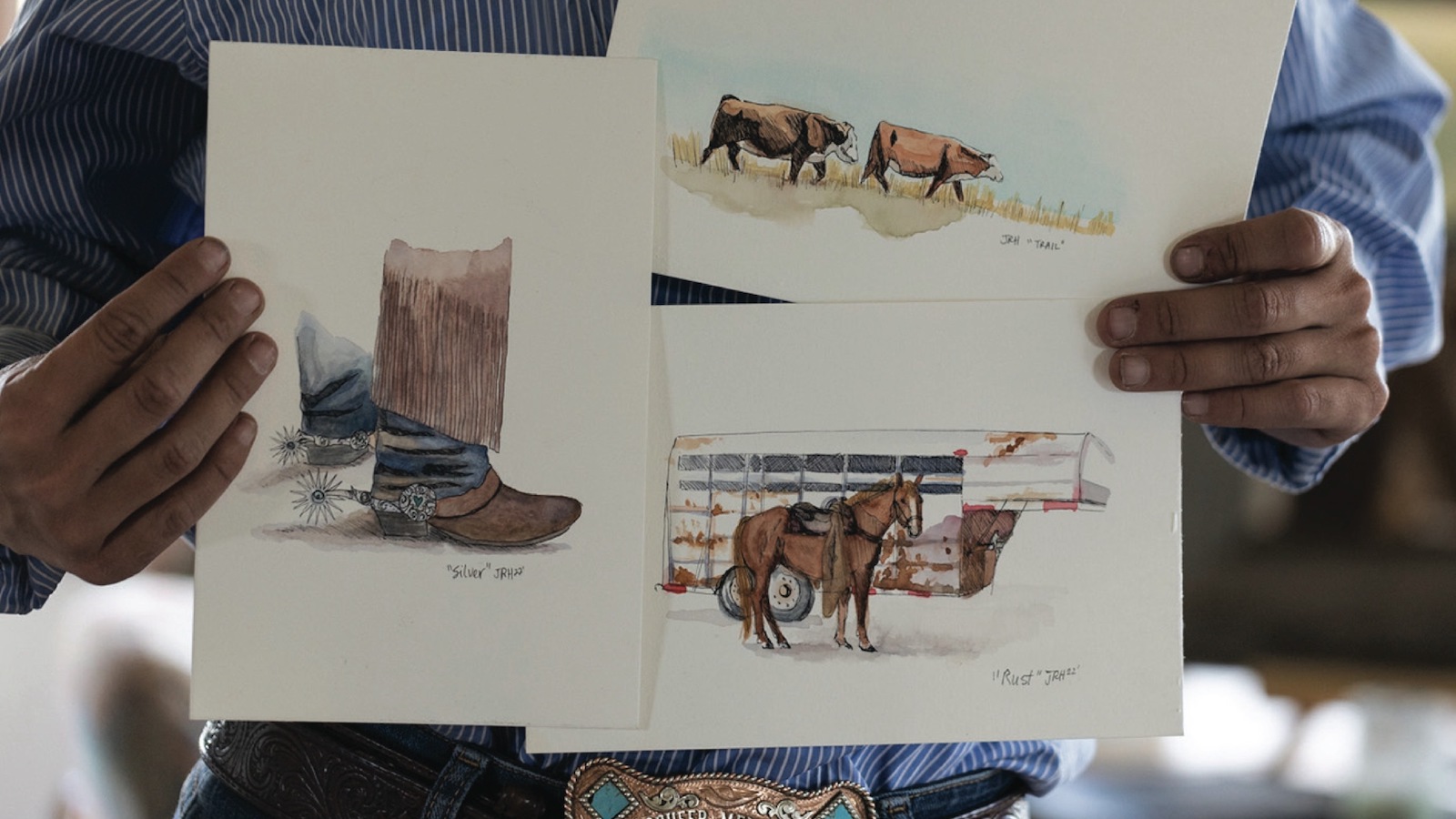
The subjects in Howard’s paintings and drawings reflect her passion for the Western landscape and her personal experiences on the range. In a watercolor painting, a cow and calf rest quietly by a wire gate. A pen and ink drawing depicts Howard’s dad as he trails a herd of cattle in the mountains.
“Connection to land, animals and people — no matter where that is — is very cross-cultural” Howard says.
She works in various mediums, including oil, watercolor, graphite, and pen and ink. With a passion for riding and travel, her choice of medium often depends on its portability. For example, an oil paintits portability. For example, an oil painting requires more preparation to set up, and oil paints require many days to dry completely. Whereas with watercolor, Howard explains she can paint while sitting outside with her horse. Since watercolor dries quickly, she can transport the work immediately.
Howard also takes on commissioned projects; clients often request a portrait of a special animal.
“I do a lot of horse and mule portraits — animals that have passed and that have been significant in people’s lives,” Howard savs. “That’s so rewarding. It almost makes me cry because people care about their animals; they get so happy when they see the finished piece.”
Howard is also a 2020 Art of the Cowgirl Fine Art Fellow. This program connects up-and-coming female artists with a master artist mentor to enrich and empower women in traditional Western arts.
Barbara East — an artist, rancher, range rider and caretaker of the land — is Howard’s Art of the Cowgirl mentor. East’s paintings are renowned for their eloquent, detailed compositions and authentic depictions of ranch life in the American West.
Howard credits East for being an inspiration, both in art and for her approach to life. A lot of the mentoring Howard receives is not in a formal studio setting but occurs during conversations while riding the range at East’s side.
“[East] is so inspiring to me because she is authentic and does what brings her joy,” Howard says. “I talk to Barb a lot about composition. We also talk about memory and the kind of emotions that are evoked from your memories. She has given me space to explore a different side of my creativity and lean into storytelling.”
For emerging artists — whether young in age or in experience — Howard recommends drawing from personal experiences and leaning into one’s curiosity.
“Pick a subject matter important to you that you feel a lot of connection towards,” Howard says. “Because that is where all your heart is, and that’s what people will see?
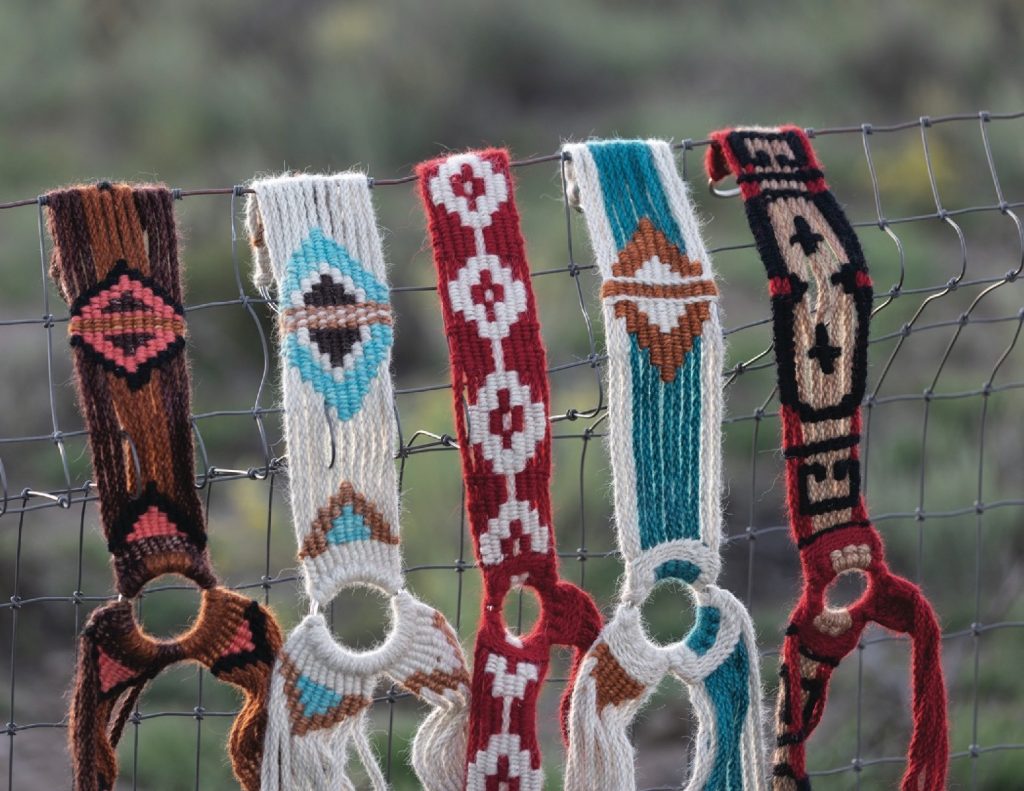
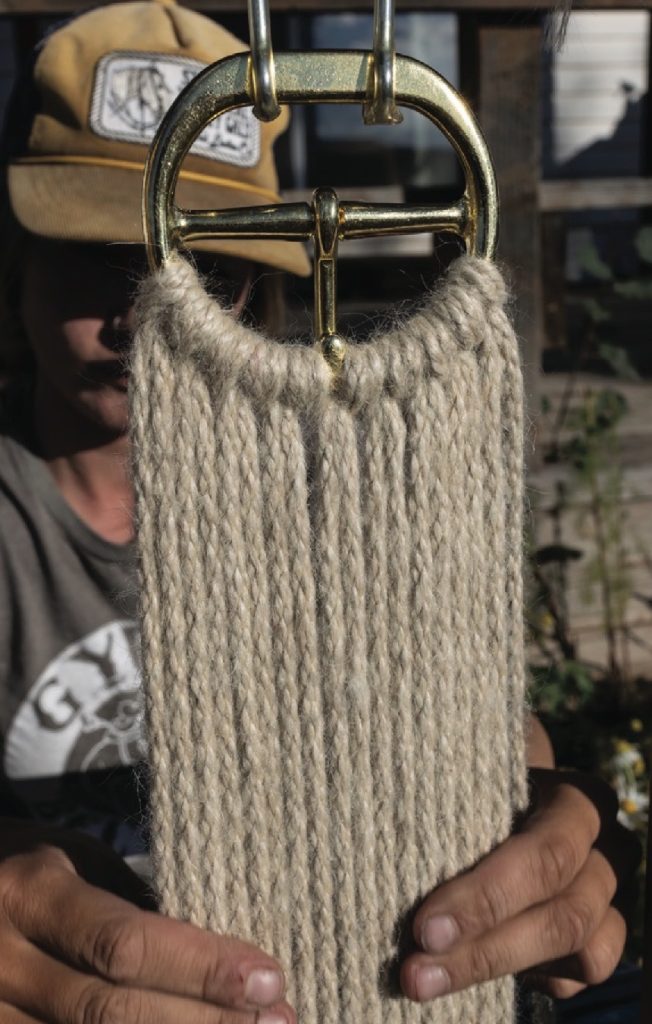
In 2020, Howard started a new creative endeavor: cinch making. At the beginning of that year, she was living in Argentina and apprenticing under a gaucho who trained criollo and polo horses. At the onset of the pandemic, she returned abruptly to Colorado, and with this change of plans, she found herself with more time to focus on artistic pursuits.
To learn how to make cinches, Howard started by watching You Tube videos.
Looking ahead, Howard aspires to use her creative gifts to honor her family’s ranching history and give back to her community.
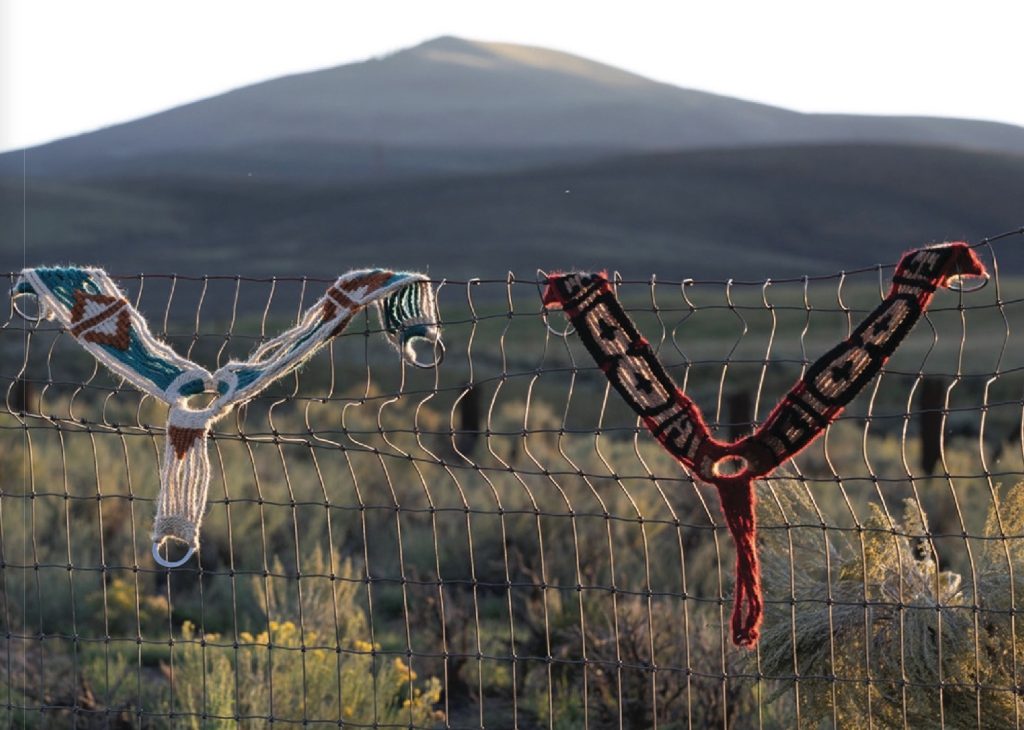
At a recent Tough Enough to Wear Pink fundraiser in her hometown, Howard donated a matching cinch and breast collar to give back to the organization that supported a family member undergoing radiation treatment. The donated cinch and breast collar sold for $6,500, benefiting local cancer patients and families.
“That was an amazing feeling, to use my art to generate that donation for the community,” Howard says. “I felt like that was my way of giving back for what that organization did for our family. That was a special connection.”
With the 2023 Art of the Cowgirl around the corner – the event will be held from January 18-22 in Queen Creek, Arizona — Howard is preparing larger canvases and starting on new works that explore issues facing modern-day ranching. Thanks to the financial support of the fellowship program, both Howard and East will travel to the event and exhibit their work alongside other female makers and master artists.
“Moving forward, I want to continue to honor my family and my grandpa [Ed Howard] — people who have influenced me,” Howard says. “I also want to educate people [who are] not involved in ranching about what is happening in our world. Art is my medium — how I use my voice to share stories and speak about my life and agriculture.”
This article was originally published in the January 2023 issue of Western Horseman.