

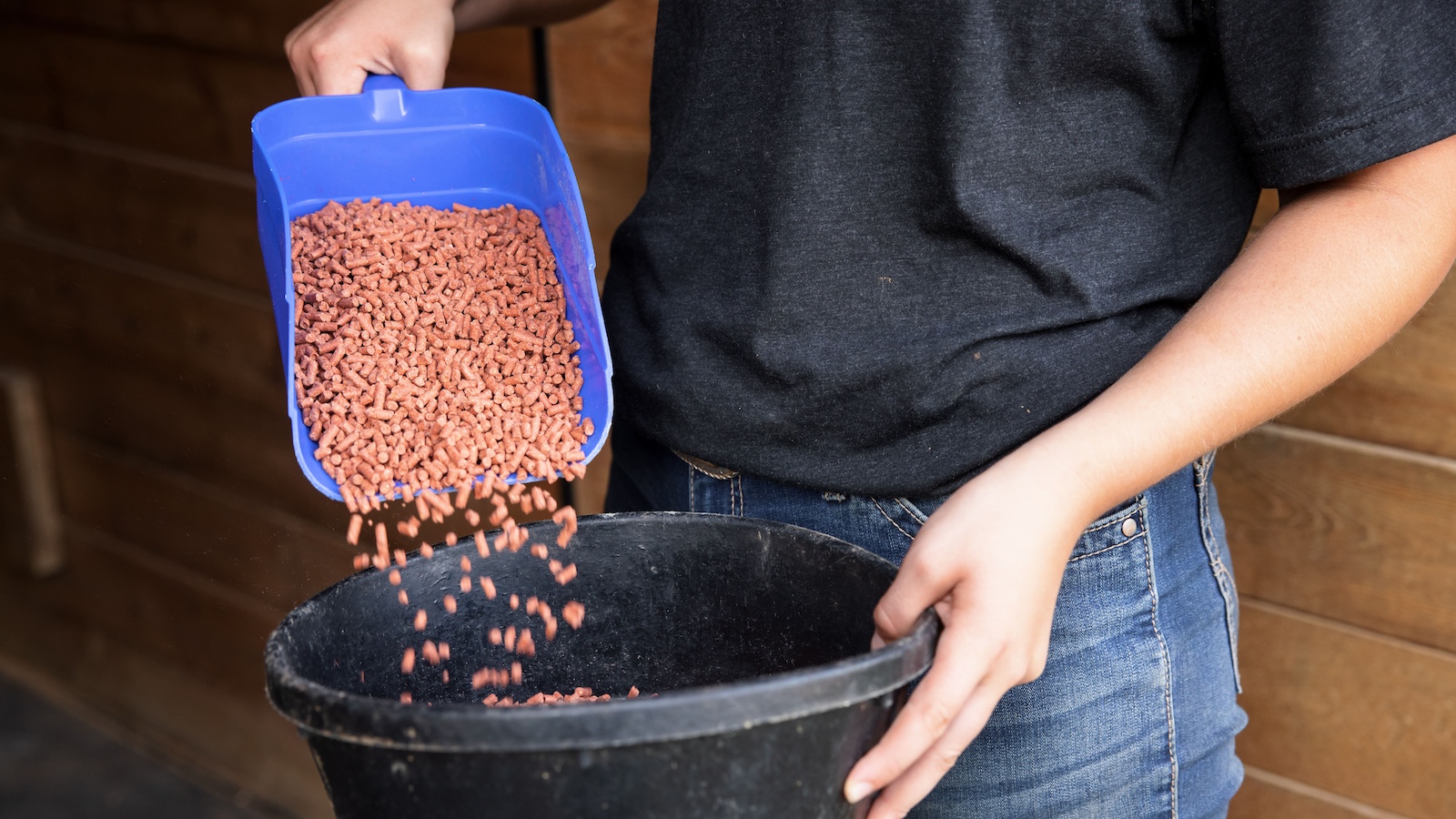
Choosing the right equine supplements can be tricky, but Annie Emery of Revolution Equine Nutrition shares how to make the best decision for your horse’s needs.
Almost any horse owner who has begun researching supplements for their horse knows how quickly and easily it is to get overwhelmed. Not only are there supplements available for almost any issue you are trying to address, but each brand works to convince you that theirs is the superior product. So, how do you cut through the noise and make the right choice for your horse? Annie Emery, MS CRC, CESMT, CENA of Revolution Equine Nutrition, LLC, explains how to do just that.
A healthy foundation
Emery explains that the first step in selecting the best supplements is to set a good foundation for your horse. Here, she shares her tips for getting started.
“Start with a veterinary exam and lab work,” Emery says. “Diagnosis is key. You need to know what you are dealing with first.”
During the vet visit, Emery advises discussing your concerns and current feeding practices with your veterinarian, including any supplements your horse may already be taking. As part of this conversation, Emery suggests consulting with your veterinarian about whether he or she feels that a vitamin E serum test, a test that screens for deficiency in healthy horses, should be included in the lab work. While equine nutrition professionals evaluate and advise on dietary needs, including vitamins, if a true deficiency is found, your veterinarian will counsel you as to the best treatment option for your horse’s situation.
Educate yourself
As part of the process, you will also need to develop an understanding of the phrase “supportive, not therapeutic.” Emery explains that this label indicates that the product is meant to help support the normal body functions of a healthy horse — not to treat, cure or prevent a disease or medical condition. On the other hand, therapeutic means that the product is intended to fix a health problem.
“Legally, supplements in the USA can’t claim to treat or cure a disease,” Emery says. “In the U.S., horse supplements are not closely regulated like medications, so companies do not need [Food and Drug Administration] approval to sell them, and anyone can make one. However, they are not allowed to claim that their products can treat, cure or prevent diseases. Only drugs prescribed by a vet can do that.”
Emery provides an example to illustrate this point.
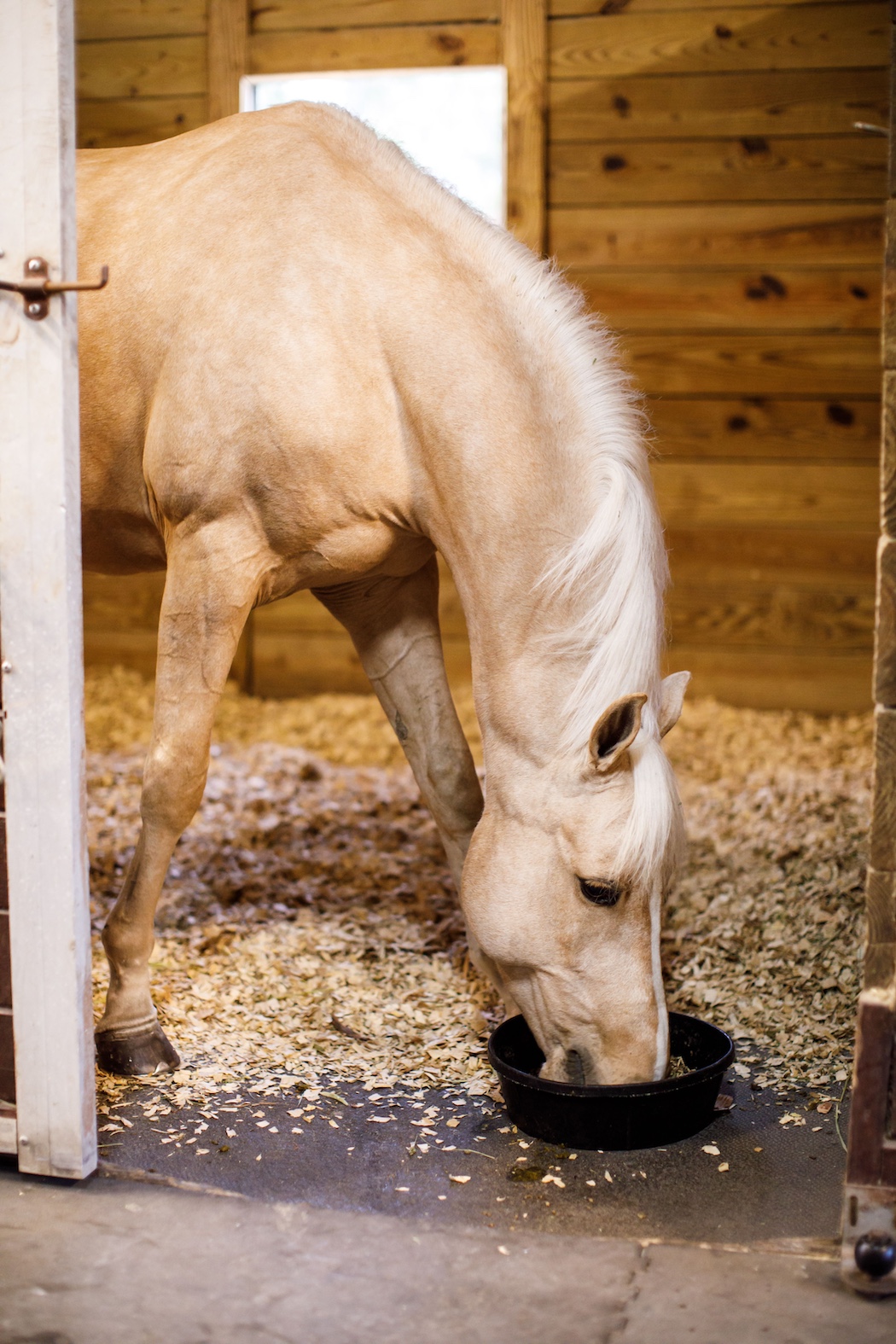
“A joint supplement with glucosamine might be used to support healthy joints in an aging horse,” Emery says. “It’s not a treatment for arthritis or lameness as this would be considered therapeutic and would fall under veterinary care.”
She advises making sure that the professionals you are working with are informed to guide your therapy and understand how supplements and drugs interact.
As for owners, Emery says it can be very tempting to order a product and start your horse on something right away. However, she emphasize that it is important to remember that supplements are not regulated in the United States, and their quality can vary.
“They are not tested like prescription medications, and we lack comprehensive safety data for many supplements,” Emery says.
Nutrition’s role
Hay and the horse’s grain or feed program are additional key elements to evaluate.
“The supplement conversation is last in line,” Emery says. “Horses with medical needs are encouraged to seek help with the foundation diet. Medical conditions such as chronic kidney diseases, PSSM, MFM, HYPP muscle disorders, and PPID/ID/EMS all have special dietary requirements for each disease, including special amounts of protein, starch, and fats. Supplements come into that, but 90% of the feeding protocols deal with the foundation diet and not the top dressings.”
Emery further explains that digestive diseases such as equine gastric ulcer syndrome, fecal water syndrome, diarrhea, and irritable bowel syndrome also benefit from the help of supplements. But, she says, she has seen these cases clear up by changing the diet and not adding supplements. Here again, she stresses that spot-treating diseases with supplements before a diagnosis is made can lead to ineffective progress, frustration, and wasted time and money.
“Some supplements do come into play [in these areas], but they are very specific and strategic and do not outpace the hay and grain program,” Emery says.
In Emery’s estimation, some 75% or more of the supplements used in the USA are unnecessary when the horse is receiving quality hay and grain or feed in appropriate amounts.
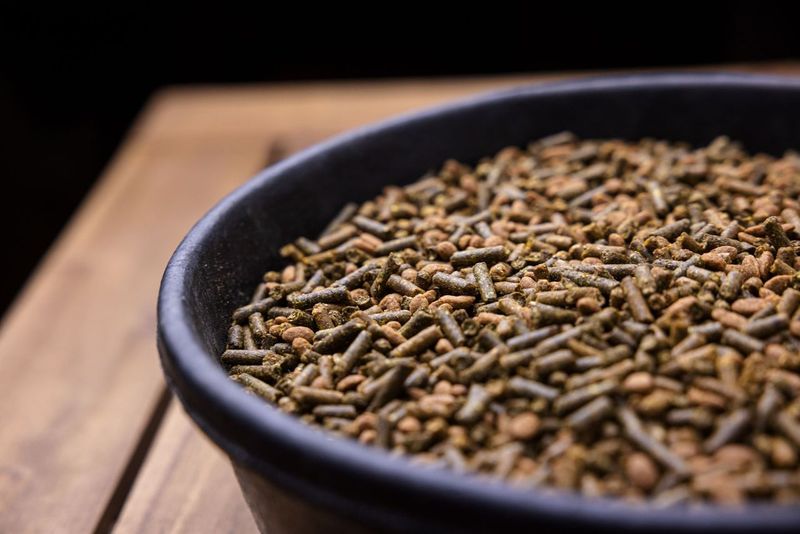
“Hoof, coat, gastric and other types of supplements are often not needed in a well-balanced diet plan,” Emery says. “If you are feeding three or more supplements a day, you should have your horse’s base diet reviewed because you may be spending more money on supplements than you actually need.”
Defining goals and rationales
Even the desire to address areas such as behavioral problems may drive the impulse to add supplements to the diet. Emery explains that while adding a calming supplement may help, it sometimes cannot overcome a horse that is tired of being in a stall or experiencing cold weather, which may have your horse feeling more excitable.
“Clearly identify what you aim to improve with supplementation,” Emery says. “Do not feel pressured to do something out of fear or worry. Working with an equine nutrition professional can help you to feel confident in the quality of your program. If supplements are chosen, they will be specific and with clear benefits.”
She further advises using caution when utilizing multi-ingredient supplements.
“Some may be a waste of money, and, in some cases, doubling up on ingredients can have negative consequences.”
Following the science
Seeking quality, unbiased scientific information from reputable sources, such as universities, government agencies and equine nutrition organizations, is a critical part of any horse owner’s supplement research.
“Use scientific databases like Google Scholar, PubMed or ScienceDirect for peer-reviewed research,” Emery says. For the most relevant information, she advises focusing on studies that have been completed within the last five to 10 years.

Further, she advises being cautious about generalizing human and mouse studies to horses.
“While some people do this more freely, and it can be interesting and informative, I generally avoid translating human or rodent data directly to horses,” Emery says.
Next, she says, verify that the dosage and form of the ingredient studied match what is used in the supplement.
For credibility, Emery advises giving preference to studies labeled as double-blind, placebo-controlled and being wary of emotionally charged language or anecdotal evidence disguised as research.
“People talking about their horses and results are not conducting clinical research,” Emery says. “They are simply sharing personal observations and experiences.”
Social media, forums and consumer perspectives
Even if you are taking the proper steps, parsing scientific from other information can be difficult. While Emery acknowledges that online communities can offer valuable support and practical anecdotes, she says that it is essential that owners distinguish between anecdotal stories and scientifically backed evidence. “Avoid getting caught up in what’s popular,” she says. “Cross-check information with reliable sources to ensure its legitimacy.”
To help, Emery offers the following questions for owners to keep in mind when evaluating supplements and the companies that produce them.
- Who made the product? Do they have the subject matter expertise, such as scientific degrees or advanced academic training, to do so?
- Did they test the actual product?
- What are their safety practices? Where did they source the ingredients?
A final word
Once you have considered everything and made your supplement decision, Emery advises taking note of the date you start using it.
“Horses can have reactions and allergies to supplements,” she says. “If there is anything odd, such as behavior changes or hives, stop and call your vet.”
Choosing wisely
Sometimes, Emery explains, people use supplements for the wrong reasons. Here are three common examples.
- Probiotics for stomach ulcers.
“Probiotics help the hindgut, but ulcers happen in the stomach,” Emery says. “They don’t work in the same place, so that probiotics won’t help with ulcers.”
- Bone supplements for arthritis or torn ligaments.
“These problems involve joints or soft tissue, not bones. A bone supplement will not help them heal,” Emery says.
- Omega-3s to build muscle.
“Omega-3s are healthy fats, but muscles need protein to grow,” Emery says. “If your horse needs more topline, it’s usually about the diet, not a fancy supplement.”
Meet the Expert
Annie Emery, MS, CRC, CESMT, CENA, is an equine nutrition professional and scientist. Her business, Revolution Equine Nutrition, is based in Minneapolis, Minnesota. Through her virtual consultations, Emery has worked with hundreds of horses across the U.S. and Canada, helping them achieve improved health and performance through tailored nutrition plans and education. Emery reaches thousands more through her popular podcast, The Scoop: Equine Nutrition Podcast, and educational initiatives, sharing evidence-based insights with horse owners and trainers. Completely independent of any company or product, her advice remains unbiased and free from commercial influences.