


The cowboy has long been cast as the last symbol of American toughness — solitary, resilient and unbreakable. In the buckaroo world especially, endurance is currency. You work through pain. You keep your mouth shut. You don’t ask for help. But that code, once essential for survival, has quietly become a liability. Across rural Nevada and the broader cowboy community, conversations about mental health are beginning to surface — not because it’s fashionable, but because the cost of silence has become too high. Suicide, addiction, isolation and untreated anxiety are no longer whispered rumors. They are lived realities.
Scott Van Leuvan is a legend in the buckaroo community, though he’d never say so himself. Cowboss at the historic C-Punch Ranch in Lovelock, Nevada, Scott and wife Andrea are the founders of the Buckaroo Traditions Gathering Big Loop Roping. Andrea cowboys for a living alongside Scott but has also worked in substance abuse prevention for more than 20 years in Nevada.
“The ranching community has always had to be tough. I guess egotistically, it’s like, ‘I can’t let people know I’m struggling.’ That’s been the big stigma for tough cowboys,” Andrea says.
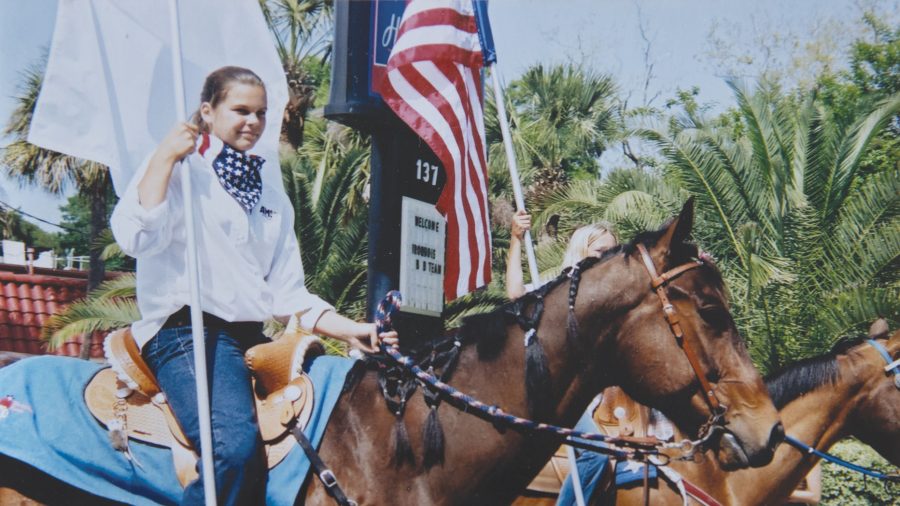
Scott and Andrea’s daughter Kadie Zeller has a bachelor’s degree in Psychology with a minor in Public Service from UC San Diego, and is also a Nevada Certified Prevention Specialist. Together, Andrea and Zeller work together to bring awareness for mental health and substance abuse prevention to both the cowboy and Native American communities.
“In the cowboy and Native communities, those aren’t really things you talk about,” Zeller says.
A Perfect Storm
The cowboy way of life contains its own contradictions. If offers freedom and purpose, but also isolation, chronic pain and instability. Cowboys don’t expect wealth from their careers, it’s a lifestyle born from passion for the culture and community.
“Nobody goes into cowboying to be rich,” Zeller says. “They do it because it’s really been romanticized, and part of that romanticization is the drinking and the partying.”
For many cowboys, pain is both physical and emotional. Injuries are expected. Loneliness is normalized. When anxiety or depression shows up, alcohol often becomes the fastest relief. Unfortunately, that quick fix leads to a an unhealthy future, and often it’s the only path many cowboys can see.
“We don’t really have a whole lot of resources for folks who are in chronic pain — getting bucked off and living a hard life. So, drinking comes as a coping mechanism,” Zeller says.
Men, Pride and the Silence that Kills
The stigma is sharpest for men. Cowboys are taught early that toughness means self-reliance — and that vulnerability is weakness.
That silence compounds. Cowboys work alone. They move from ranch to ranch. They lose built-in support systems. When someone does spiral, the warning signs are often only obvious in hindsight.
“I do think the missing piece is that addiction is never the problem,” Zeller says. “It’s a symptom. The symptom is generally something going on inside, and they’ve never been given the resources and tools and talked about how to cope with that.”
Sobriety in a Drinking Culture
Choosing sobriety in the cowboy world can mean choosing isolation. For those trying to stay sober, employment itself becomes a barrier. Andrea says sometimes finding a job where you can also prioritize your mental health can be difficult, but it’s not impossible.
“We run two cowboy crews a year that we bring six to eight people in and it’s a dry camp,” Andrea says. “We can’t get a lot of help because of that, but I think the one thing we can see and it’s become a more open conversation that people are quitting drinking, and getting sober and getting their lives together.”
Andrea says often she sees people struggle the most when they fall back into the patterns of friends, jobs and communities that had prior to getting sober. It’s an obstacle that can’t be overlooked. Still, something is shifting. Younger cowboys are watching their mentors more closely now — not just for horsemanship, but for survival.
“That door is really opening for these younger people to realize that you can be successful and you can be a good cowboy, and you can go to these bars and not drink,” Zeller says. “[You can do] all these things that are a part of the experience without having to degrade your mental health.”
Meeting Cowboys Where They Are
Traditional therapy doesn’t always translate in rural or cowboy communities. Distance, cost, distrust and cultural disconnect all stand in the way.
“Not everyone wants to talk to a therapist,” Zeller says. “There are those people in the community that people feel they can talk to.”
That’s why alternatives matter: talking circles, peer mentorship, mindfulness, faith, life coaching, and storytelling. Cowboys understand stories. They trust lived experience more than credentials.
“Traditionally, we are a storytelling people. That’s how we break that stigma is getting people to talk about what their experiences are and what they’ve gone through.”
That’s the vision for many who have seen the effects of ignoring this problem, including Justin Reichert and Nicole Grady. Reichert joined forces with Grady to pave a trail for authentic cowboy connection at The Outside Circle Show in Elko, Nevada, to address the mental health crisis in the cowboy community. The cowboy music and poetry show, which has since 2014 featured cowboys who live the lifestyle, included a mental health panel beginning in 2023.
“People feel safe to come and enjoy that and have those conversations with people like Scott and Andrea and Jeremy [Morris], who are so respected as cowboys. Scott getting on stage and looking around and telling all those young buckaroos it’s OK to talk about your struggles is a really big deal,” Grady says. “Scott was a little beside himself getting up there, but at the same time, the impact he ended up having on people that weekend was pretty significant.”
Toughness Redefined
The goal isn’t to soften the cowboy identity — it’s to preserve it.
Ranching is unforgiving. Animals die. Weather destroys plans. Responsibility never shuts off. For decades, the solution was to push through. Now, the cracks are visible. That idea — radical in cowboy culture — may be the most important shift of all.
The cowboy community isn’t broken. It’s burdened. And slowly, through panels, podcasts, retreats, and quiet conversations between men who never thought they’d be having them, a new code is emerging. One that still values the toughness of being a cowboy, but finally makes room for help.
“I have so many folks come up to my parents and say thank you for sharing that and talking about that,” Zeller says. “I think there’s a lot of younger folks especially my age around our 30s where we’re discovering that sobriety and mental wellness are the only things that are going to keep us here. So there’s a big push for these younger cowboys to look up to these older guys who’ve been through the wringer and to talk about that they don’t have to live that way anymore and shift what our stories sound like.”