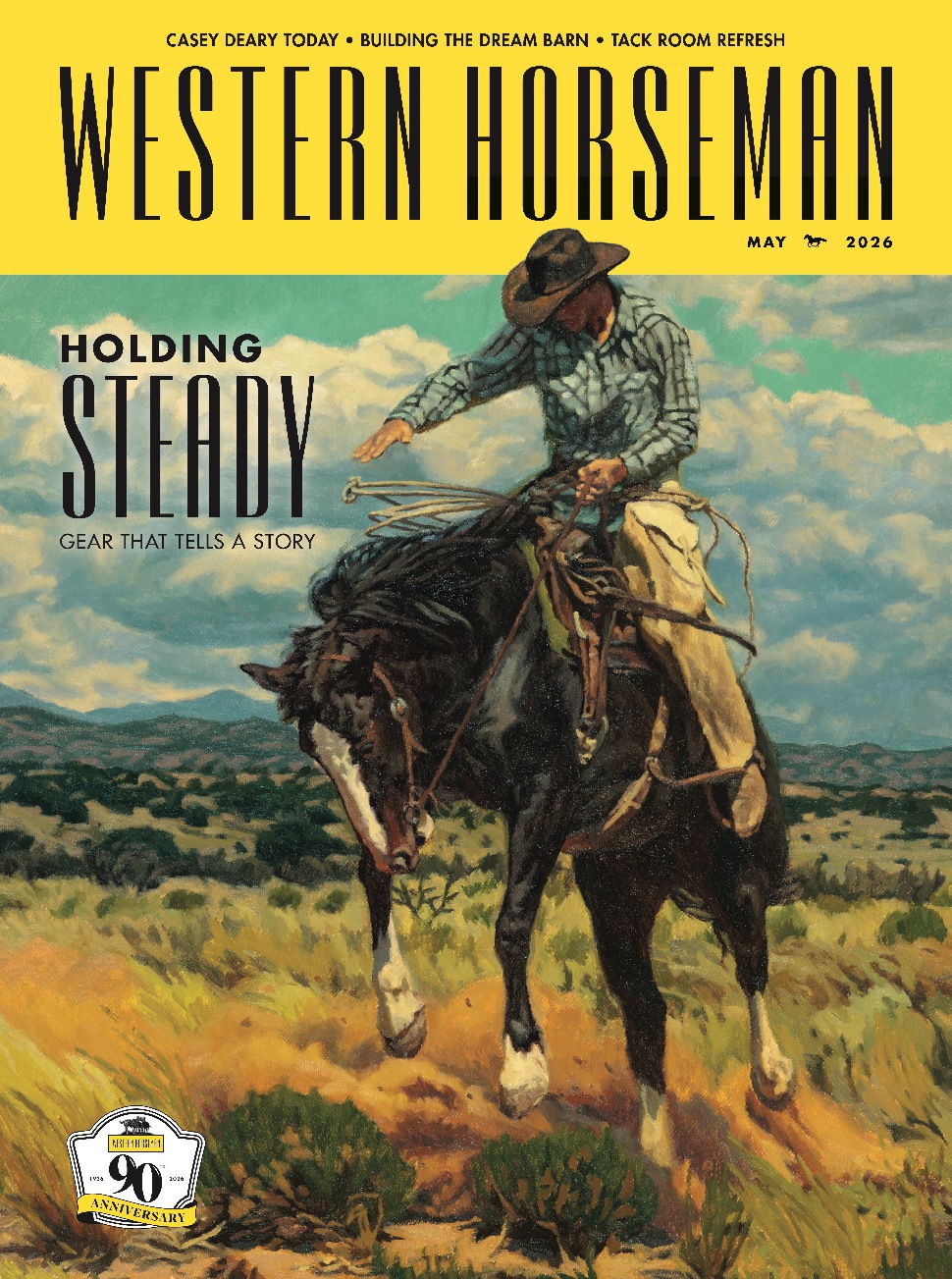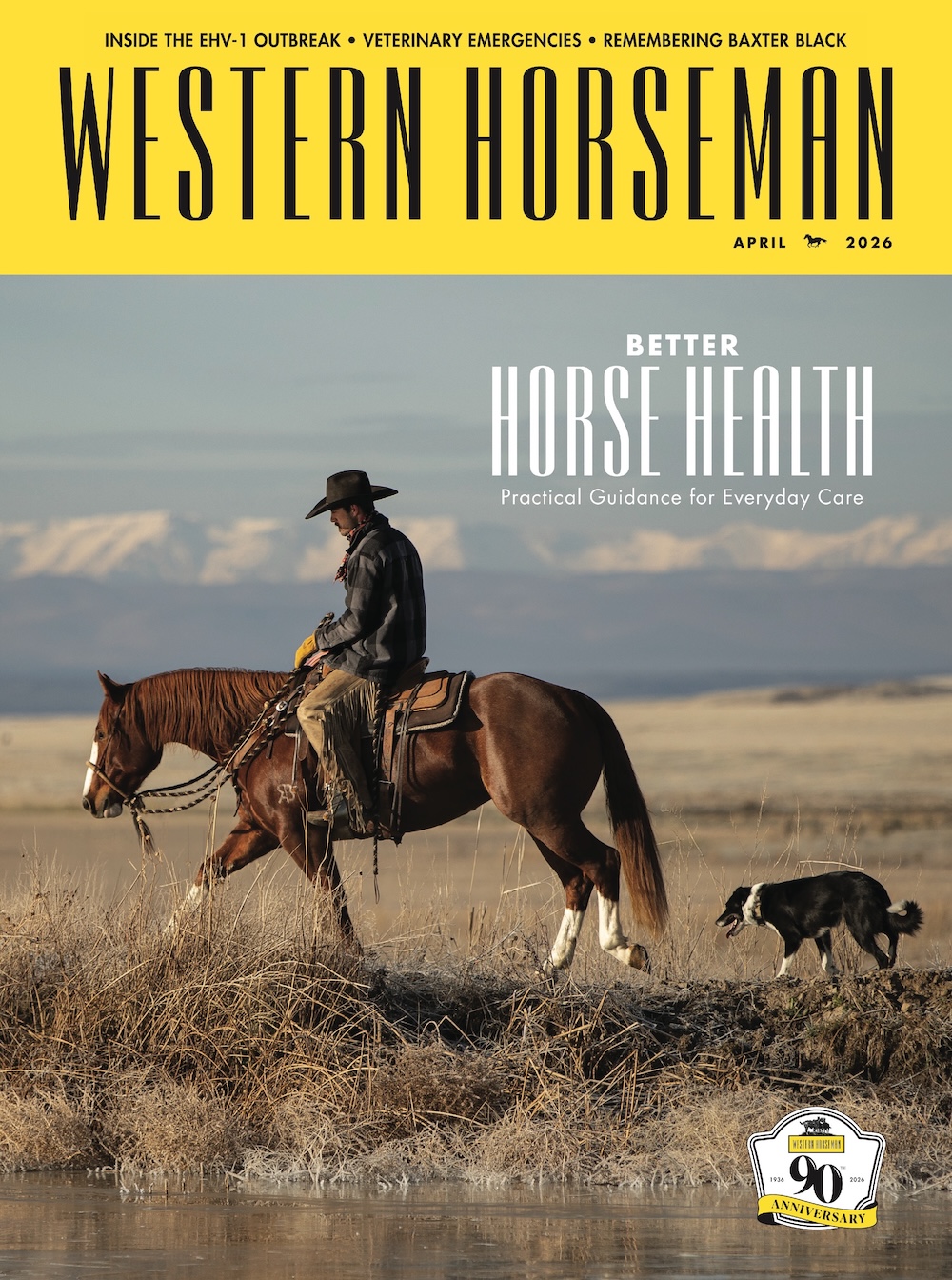

From early Illustrations to today’s cover, nine decades of Western art have led to this special milestone.
Shotgun chaps hang in the mudroom, patched, dirty and worn from long days horseback. They tell a story before a work is spoken. Each stitch, each worn edge, is a brushstroke on the canvas of ranch life.
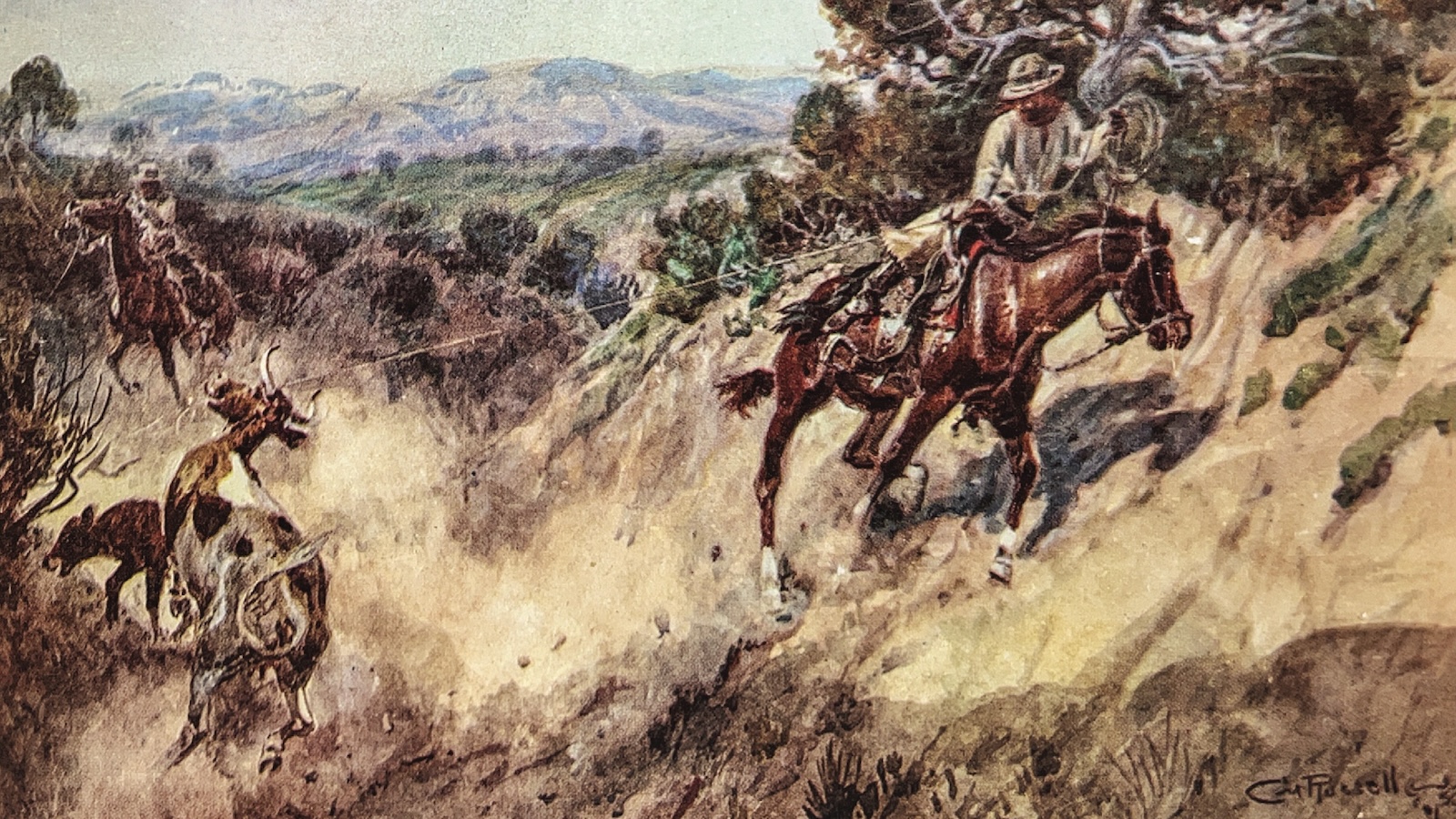
Decades before cellphones and digital cameras, artists worked with the light that spilled through barn doors or lantern glass. Their canvases hung in saloons and ranch houses, painted by hands like Charles M. Russell’s, whose brush replicated the glow of weathered chaps and the spirit of cowboys who lived the stories he told.
Western Horseman has long shared those same stories, through the pages of the magazine where art and words come together to show what real Western life looks like.
The Art of the Horseman
Before Western Horseman became known for its vibrant covers awash in yellows and oranges, the magazine’s early issues featured simple black-and-white designs — staple-bound and adorned with understated photography or art. The first illustrated cover appeared in the March/April 1937 issue, featuring a refined, traditional Western scene rooted in Spanish influence. It portrays two vaqueros: one mounted on a spirited horse lifting its foreleg in a poised, collected stance, and the other standing beside him, cloaked and watchful.
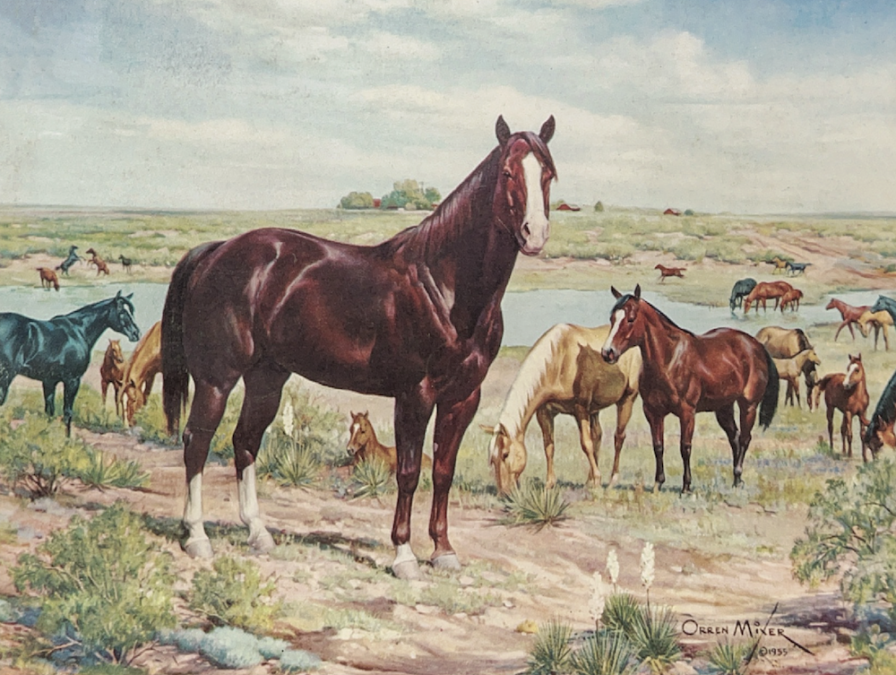
Years later, in the 1940s and 1950s, Western Horseman began showcasing work from artists who helped define the look and feel of the magazine’s early painted-cover era. Among them were Randy Steffen, Orren Mixer, Paul Salisbury and George Phippen. Phippen, as many readers remember, became a household name for the magazine, contributing more than 17 covers and designing several logos still used today.
The 90th anniversary emblem that appears on the January issue cover pays tribute to Phippen’s legacy. He was commissioned to create three illustrations for the magazine beginning in 1955, and the logo art is part of that collection. As a founding member and the first president of the Cowboy Artists of America, Phippen captured the working cowboy with authenticity and pride, helping define the magazine’s visual identity for decades, even today.
As the magazine evolved, so did its artistic voice. Covers of the magazine carried on with Western art, selected for the season and chosen as much for accuracy. Artists were expected to depict the horse with precision — capturing correct type, conformation and gear that reflected the standards of good horsemanship.
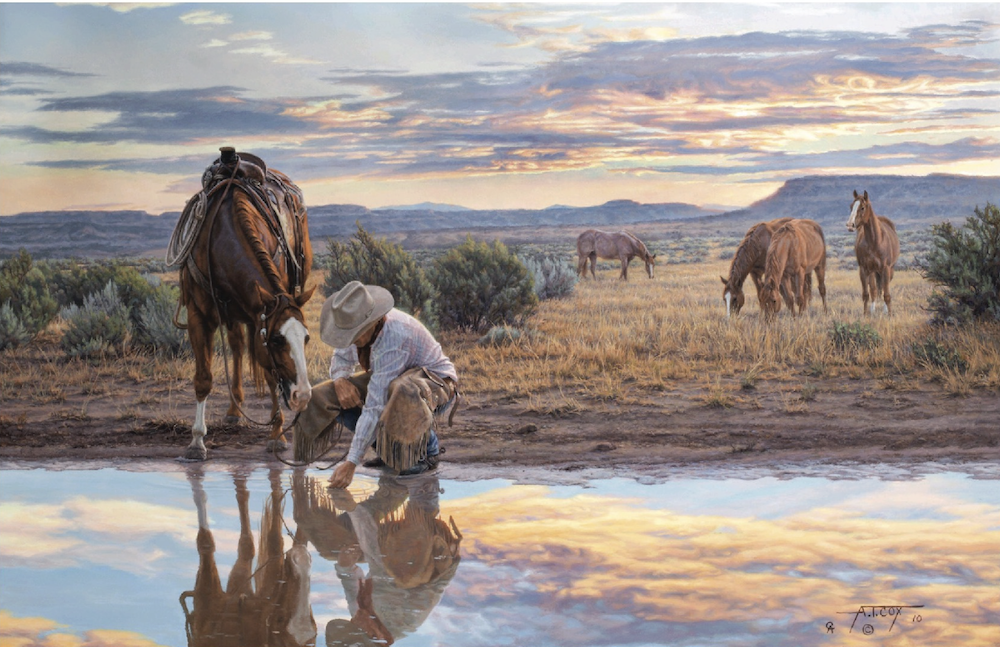
For the magazine’s 75th anniversary, renowned painter Tim Cox created a commemorative cover honoring the cowboy with the same authenticity artists championed decades earlier. The piece, “Reflections of a Passing Day,” symbolized the return to featuring fine art on the cover.
As former publisher, Darrel Dodds wrote in his Leading Off letter in the January 2011 issue, “If our front cover looks a little retro, but also a little modern, then we’ve accomplished our goal of honoring our heritage while also introducing a few contemporary refinements to this special 75th anniversary issue of Western Horseman.”
Contemporary Visions
Many illustrators and cartoonists have helped shape Western Horseman‘s pages through the years. Among the modern voices carrying that legacy forward are Teal Blake, a longtime contributor whose art brings the cowboy’s life to the forefront.
Blake, a current columnist with the magazine, grew up in Augusta, Montana, and remembers waiting for Western Horseman to arrive in the mail.
“It’s nice to be part of something that has stood the test of time and stands for authenticity in the West,” Blake says. “I used to wait for my sketch to appear in the magazine. Then in the ’80s, when I was 7 years old, it finally did.”
For Blake, authenticity is the foundation of Western art. He believes great work begins with first-hand experience.
“I believe in getting your hands dirty and knowing your subject,” he says. “That’s the magic of it all, the organic lines and colors that come from a love for what’s pure.”
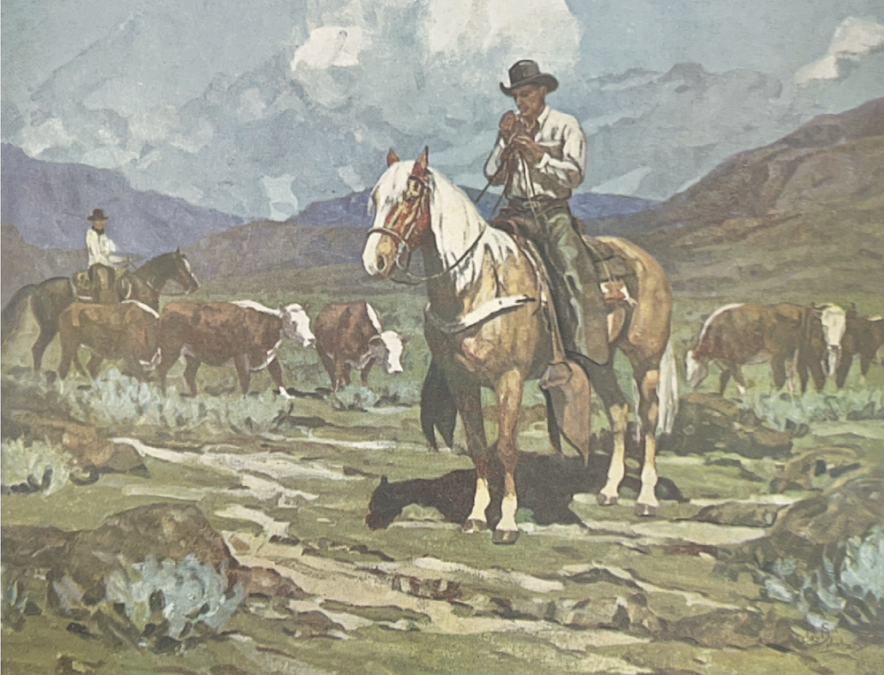
Blake draws inspiration from artists such as Charles M. Russell, Frank Tenney Johnson and the Taos founders, who immersed themselves in the people and places they painted. Like them, he values a life lived within the West he portrays.
“No amount of AI or stock images will ever teach you about horses, cattle or cowboys,” he says. “You might as well be painting a place you’ve never been to in a language you can’t understand.”
Blake shares the pages of Western Horseman with other talented artists, including Tyler Crow, Ron Bonge, Lee Walker, Jack Sorenson, Tim Cox, Karmel Timmons, Brian Asher, Mikel Donahue and more. He also played an active role in the 2026 Cover Art Contest, lending his insight to the judging panel and fostering ties with the Cowboy Artists of America.
On The Cover
To commemorate its 90th year, Western Horseman introduced the 2026 Cover Art Contest, continuing its tradition of recognizing artists who capture the authenticity of the Western way of life. The contest, open to the public, received 104 entries from six countries, including the United States, Canada and Australia.
Judging based on creativity and originality, artistic skill and technique, alignment with the Western Horseman brand, emotional impact and storytelling, and overall presentation and composition. The panel of judged was composed of members of the Cowboy Artists of America, Western Horseman editorial staff and representatives from the Cowgirl Artists of America.
Stefanie Travers’ painting, “As the Day is Long” (oil on canvas, 20-by-26 inches), was selected as the winner. The piece depicts a buckskin gelding with the quiet honesty known to every working cowboy.
Similar to the first cover of The Western Horseman in 1936, Travers’ art reflects the magazine’s enduring commitment to portraying the horse as authentic and timeless.
In Good Company
Across multiple mediums and styles, the 2026 Cover Art Contest drew an impressive mix of talent. The works submitted share one thing in common: a love for everything the brand represents — authenticity, cowboy spirit and the passion for the Western way of life. Through every artist’s hand and every story told, Western Horseman remains what it has always been: a portrait of the real West, honest as the day is long.
2026 Cover Art Contest Honorable Mention Winners
Honorable Mention
Runner-Up
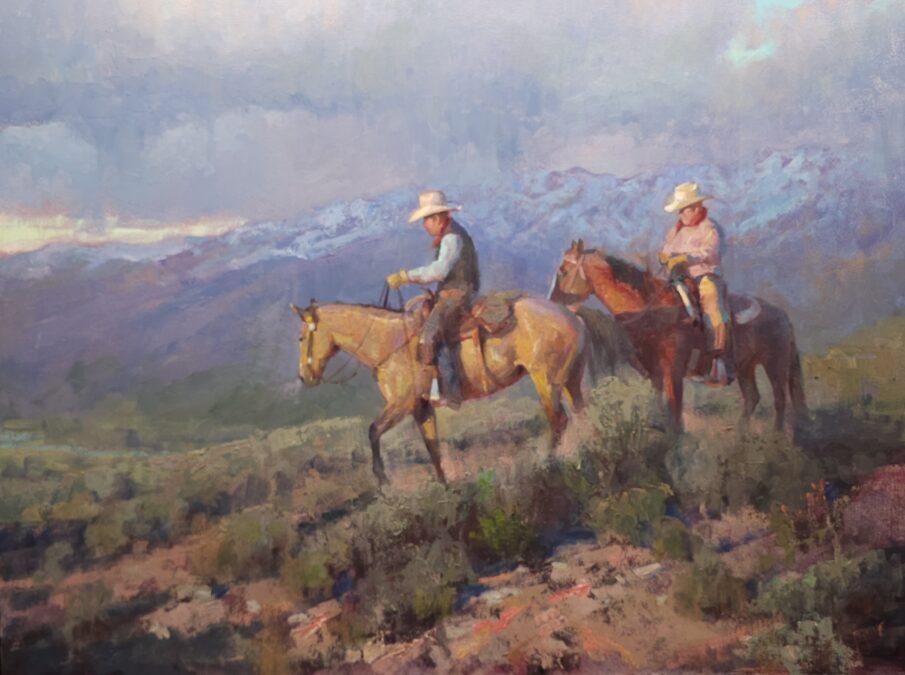
Artist: Rick Kennignton
Title: High Desert Wranglers
Medium: Oil on canvas
Why We Love It: This piece screams classic Western Horseman. The fading light, ranch horses and weathered cowboys tell a timeless story of the quiet rhythm of a day’s work.
Honorable Mention
Cowboy Artists of America’s Pick
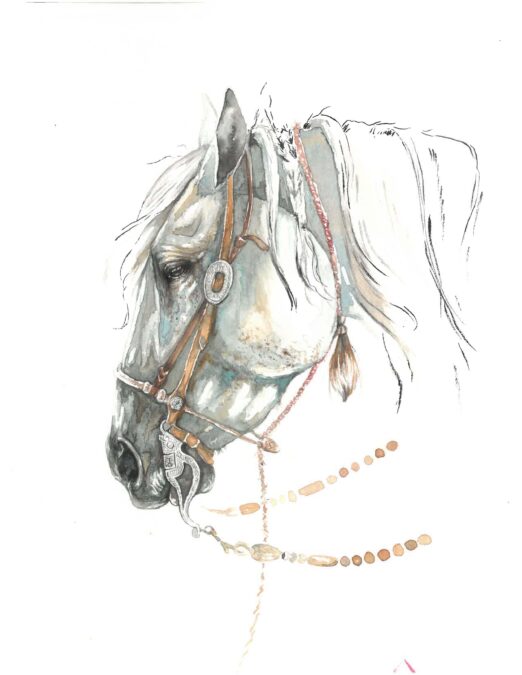
Artist: Lauren Rood
Title: The Gentleman
Medium: Watercolor
Why We Love It: Chosen as the Cowboy Artist of America’s favorite, this piece stands out for its finesse, subtle detail and honest portrayal of the horse.
Honorable Mention
Cowgirl Artists of America’s Pick
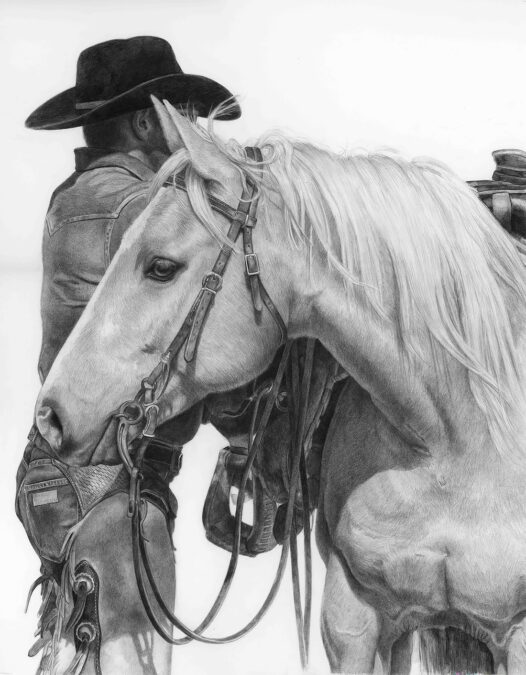
Artist: Karmel Timmons
Title: Done for the Day
Medium: Pencil Drawing
Why We Love It: Chosen as one of the Cowgirl Artists of America’s picks, this is a beautiful, well-balanced piece that demonstrates exceptional attention to detail.
Honorable Mention
Art Director’s Pick
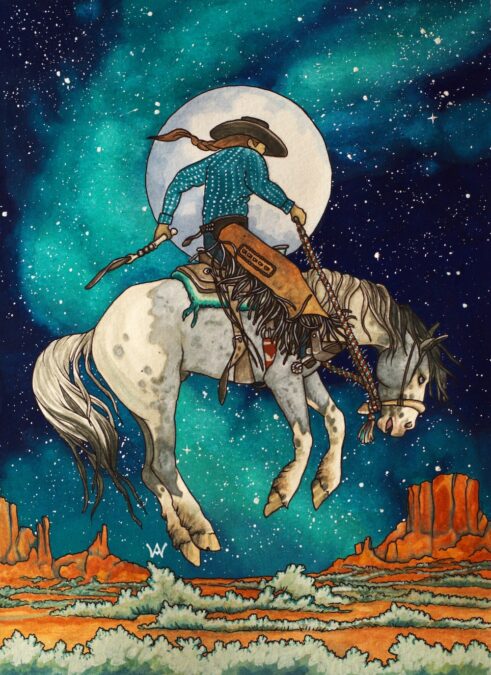
Artist: Amanda Wentz
Title: To the Moon on Ol’ Milky Way
Medium: Gouache and ink
Why We Love It: The artwork is a whimsical Western illustration that blends classic cowboy imagery with a dreamlike, cosmic setting. A vibrant, star-filled sky carries horse and rider on a magical journey above the desert below.
Honorable Mention
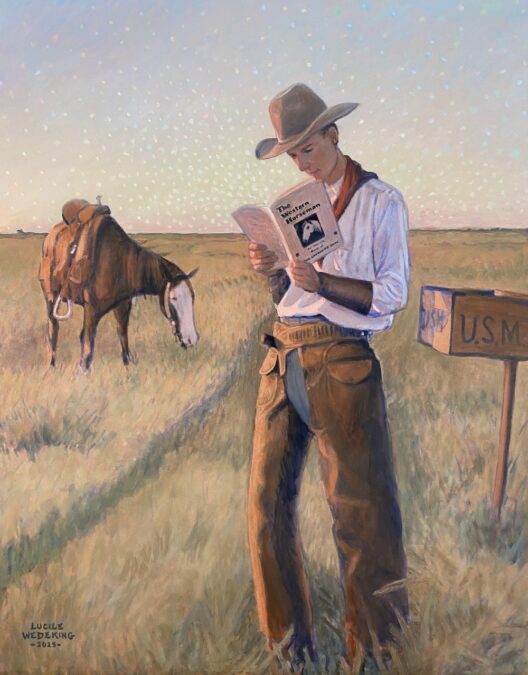
Artist: Lucile Wedeking
Title: Good Mail Day
Medium: Oil on gesso board
Why We Love It: This piece honors Western Horseman‘s very first issue, blending history and imagination in a way that bridges the old and new West with authenticity.
Thank you to everyone who submitted artwork for Western Horseman’s 90th Anniversary cover!
This article was originally published in the January 2026 issue of Western Horseman.