

Hard to catch is probably one of the most annoying habits that a horse can have. Instead of just trying to break this habit, I would rather take it a step further and teach the horse to come to a person when they’re called. If I take the training this far, I should be able to break the hard to catch habit in the process. I do the early training for this in a round pen.
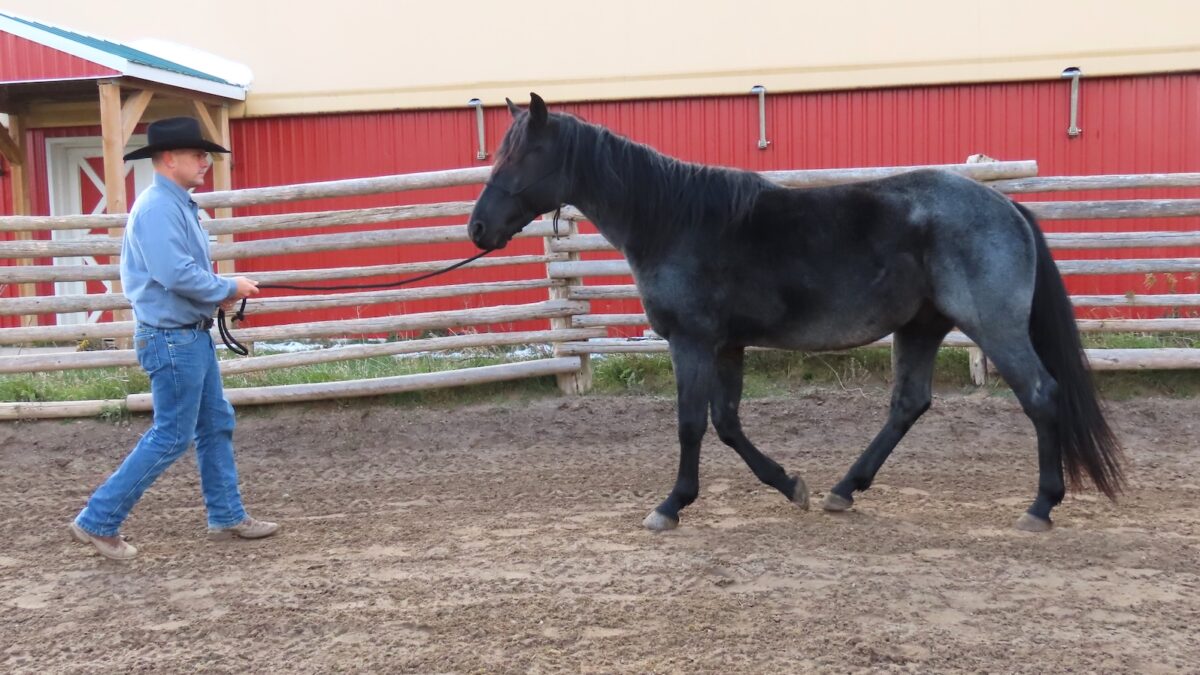
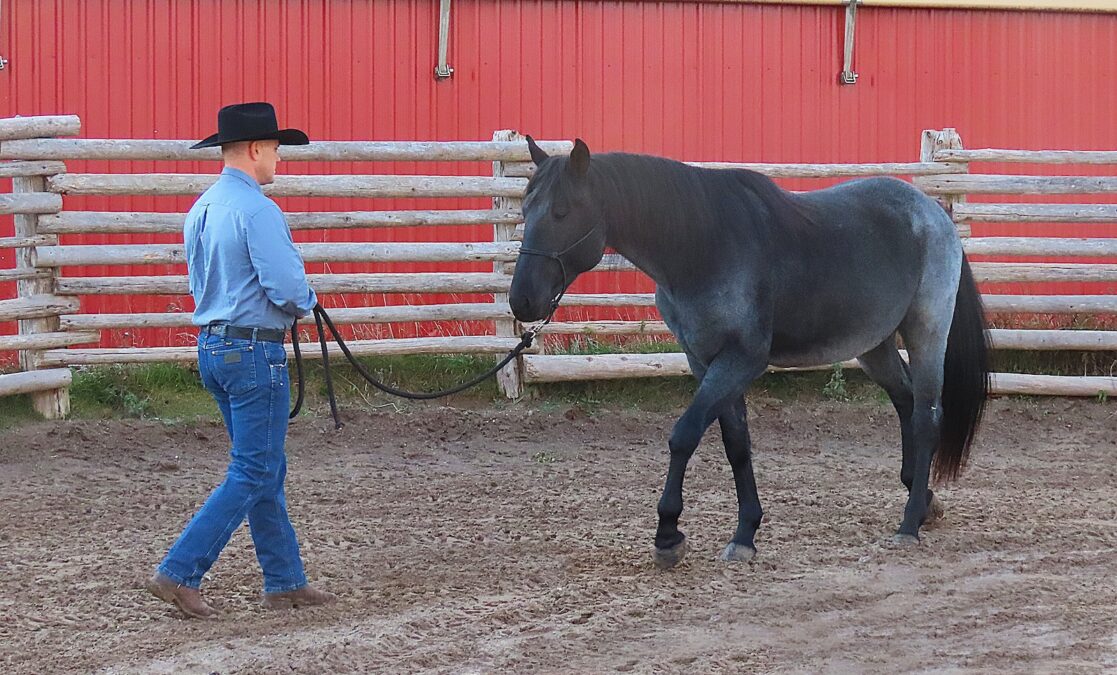
To get started, put a halter and lead on your horse and stand facing your horse. Leave three or four feet of slack in the lead between you and him. Then back up a few steps, give a voice cue (I usually say the word “Here”), and pull the lead to draw the horse up to you. Although you’re giving a voice cue, backing up to create a space for your horse to move into is probably the more important part. Make sure to pet him or rub on him when he comes to you as a reward for coming when he’s called. Repeat this quite a few times.
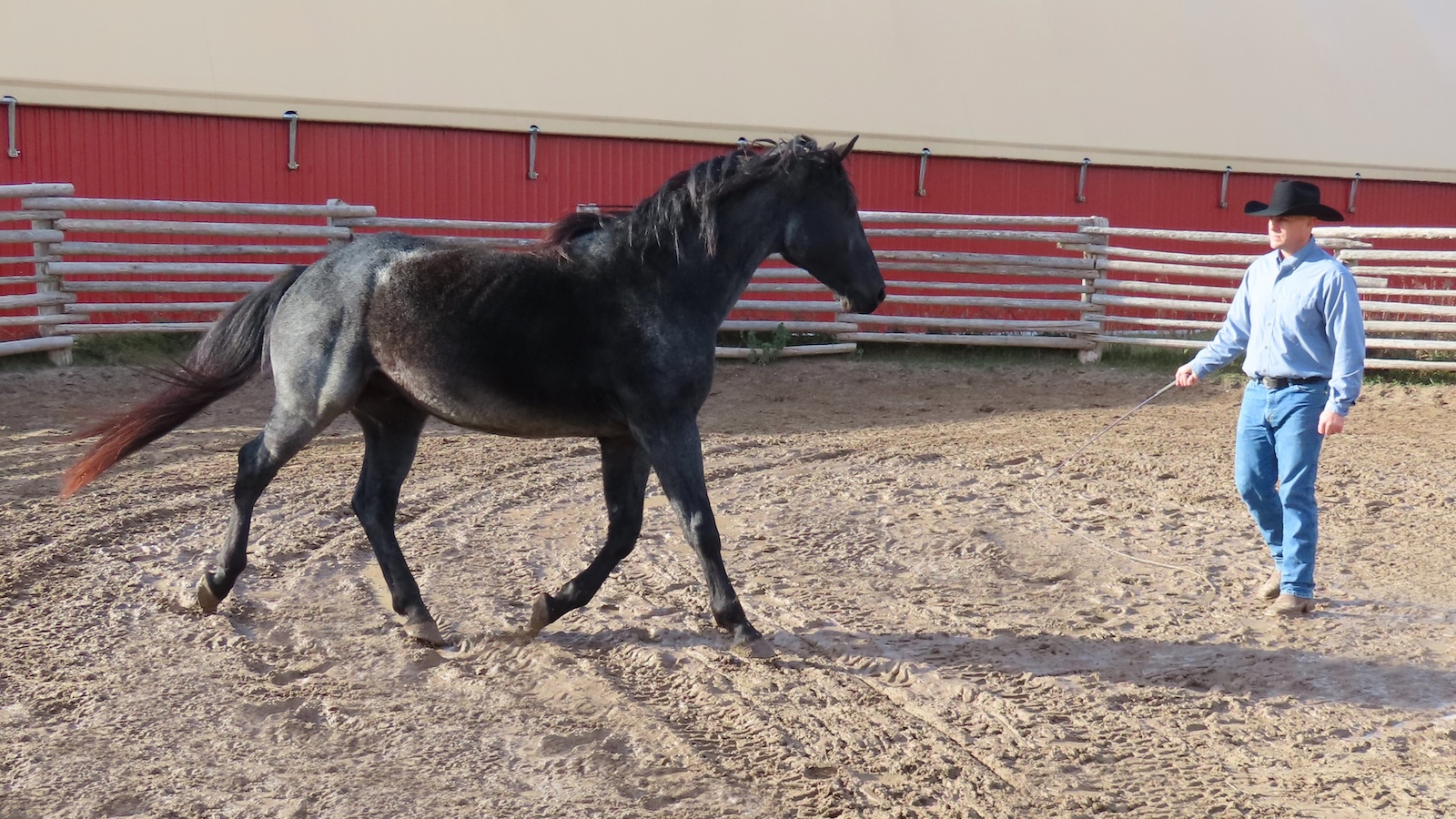
Once your horse starts to understand that when you back up and give the voice cue, he’s supposed to come to you, then it’s time to ask the horse to try a bit harder. Start by standing facing the horse. Hold the lead rope in your left hand and a lunge whip in your right hand. Hold the lash of the lunge whip in your right hand so it’s not swinging around. Now back up and give the voice cue and also tap the horse on the shoulder with the end of the lunge whip. Once that’s going well, then ask the horse to go a bit faster and trot to you instead of walk. Do this by letting go of the lash and flicking it out behind the horse to get him to trot to you as you jog backwards a few steps. Repeat this several times. Be careful about doing this with a pushy horse because you don’t want the horse to trot forward and bump into you. He should trot to you and stop a couple of feet in front of you. The idea here is that the whip is used to create a bit of hustle in the horse and to get him coming to you faster. You could skip this step, but if you do it correctly, it does help a lot.
Now lunge the horse around you and every so often step in front of the horse to block his forward motion and then immediately back up and call the horse to you. This is teaching the horse to come to you while he’s moving. Once this part is going well, then turn the horse loose in the round pen. Send the horse around the pen a few times (ideally at a trot) and then practice stepping in front of him to cut him off and then back up to call him to you. If it’s not working, put the halter and rope back on and work on that step for a while longer.
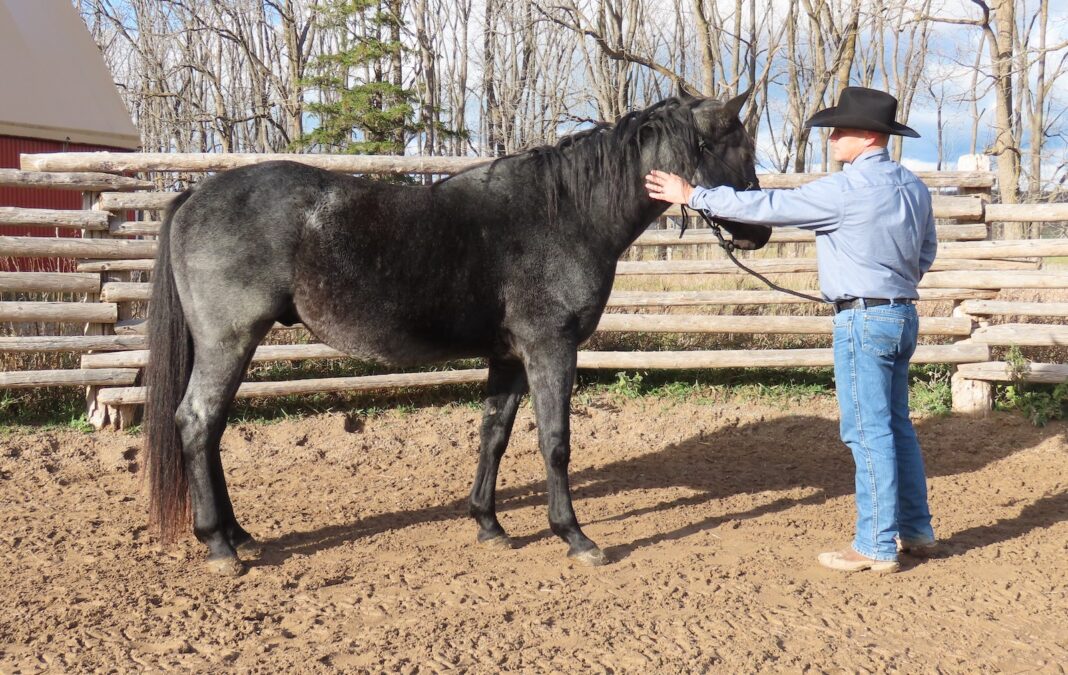
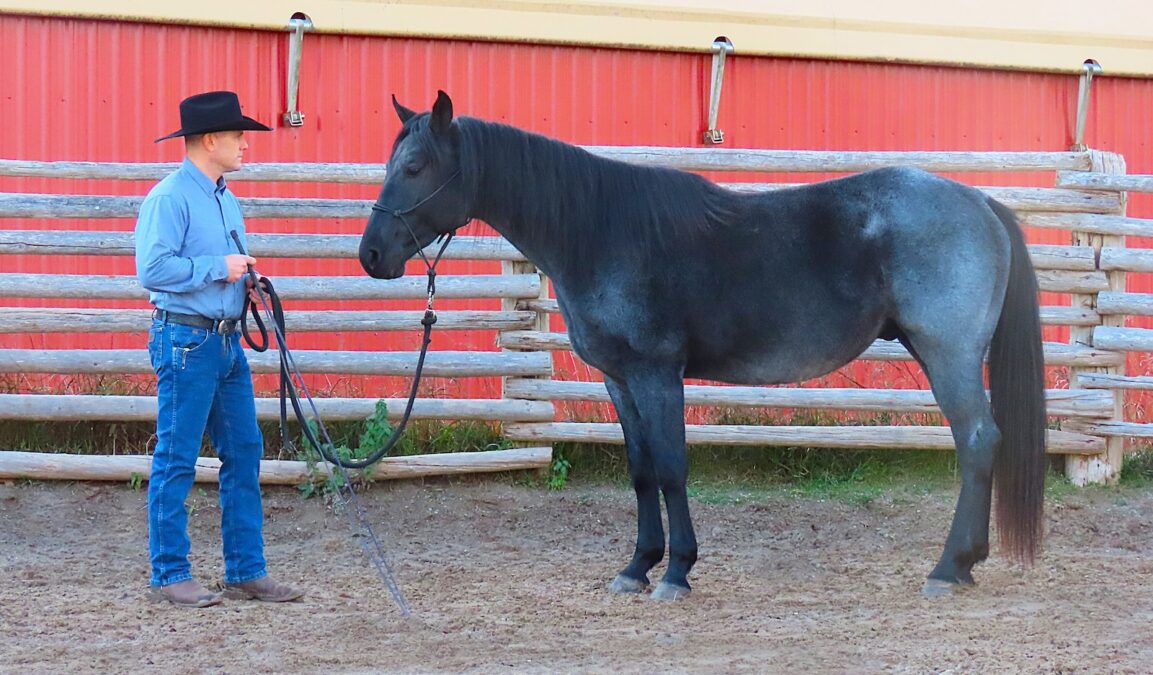
Your horse should now be getting pretty good at coming to you. You could now practice calling him while he’s moving around the pen faster and also have him come to you from a standstill. If he doesn’t come to you, then send him quickly around the pen a few times and try again. Moving him around the pen teaches him that being away from you is where the work is and being with you is where he can rest and relax.
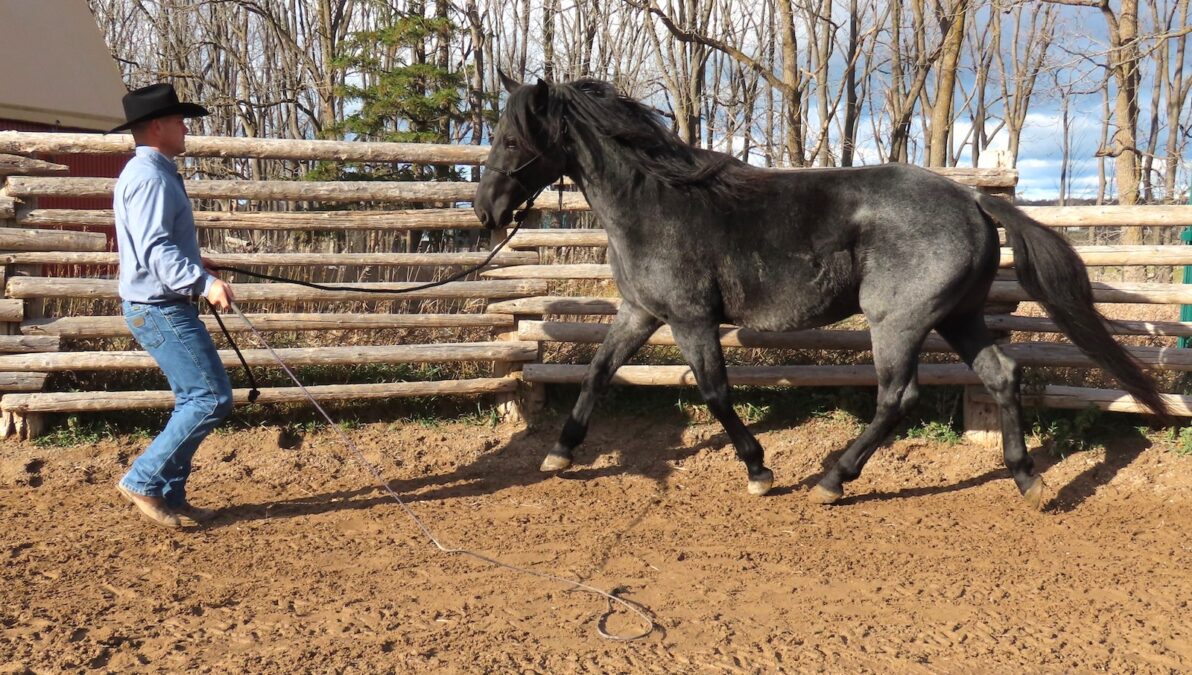
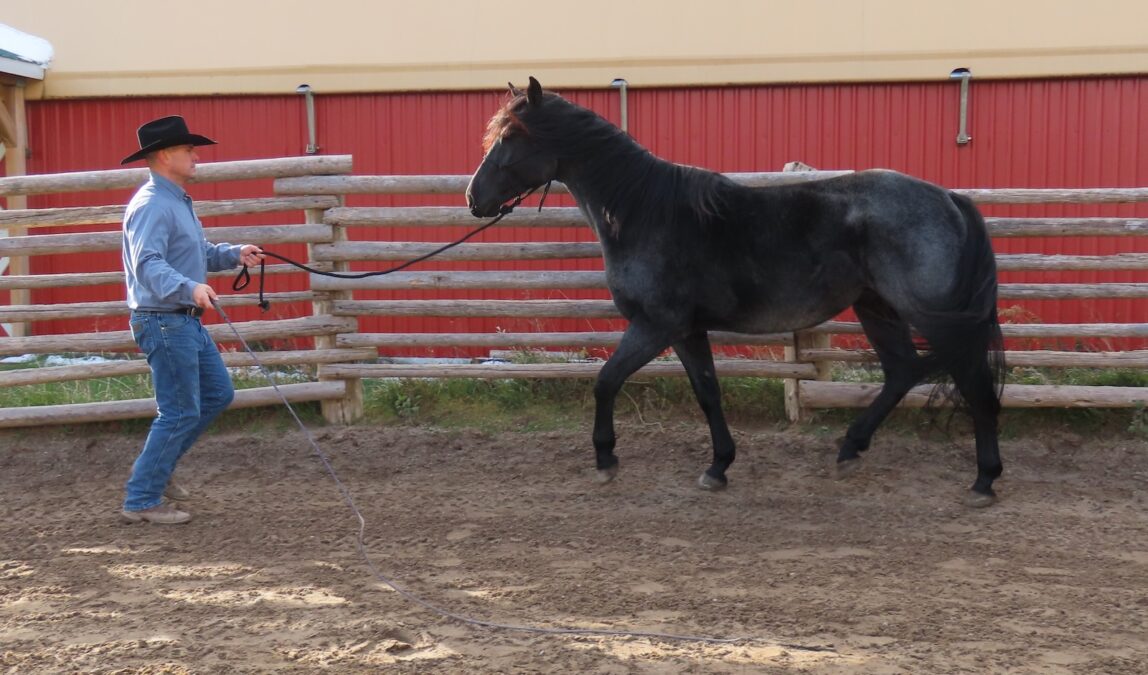
I suggest working on this at least once or twice every day for a week. With some horses, two weeks of this training might be needed. During that time, keep your horse in a box stall or some other small area where he’ll be easy to catch when you’re not working with him. When you turn him out for exercise, turn him into the round pen. This way the horse doesn’t get a chance to be hard to catch during this training period. He’ll be easy to catch in the stall, and if he tries to get away from you in the round pen that will give you a good chance to go through the exercises listed above and work through the problem. If you have a few good sessions but then turn him into a big area and he gets away from you, that will undo most of the work you have done up to that point. The horse will figure out that he can be caught in a small area but then will go back to being hard to catch in a big area, and we sure don’t want that.
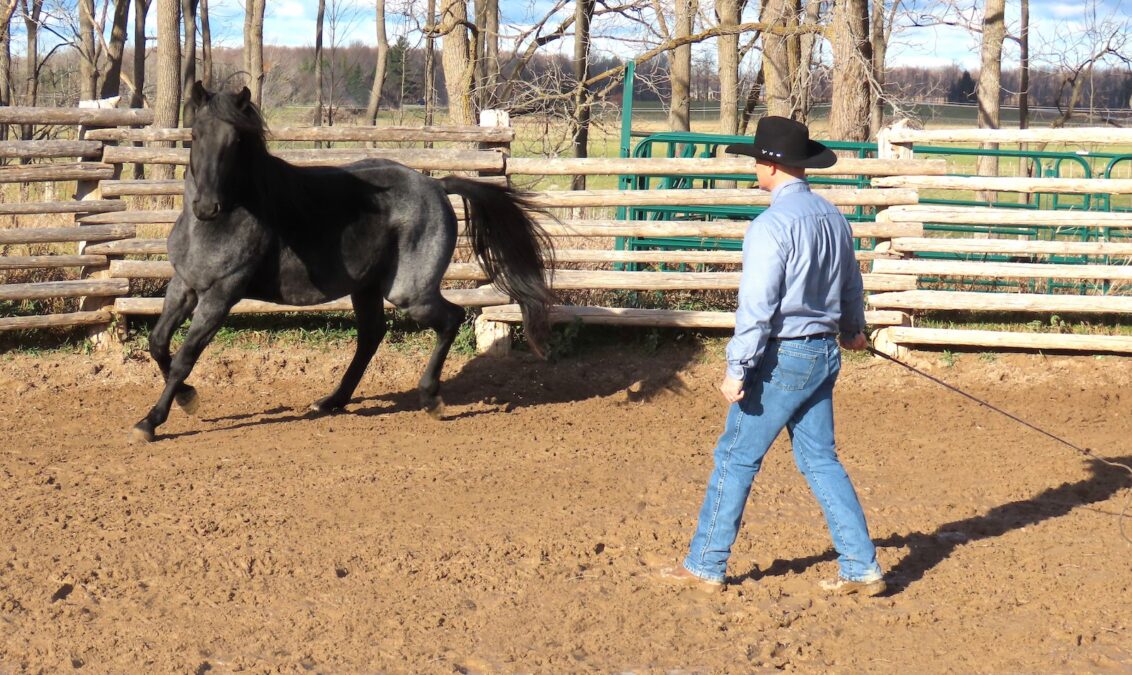
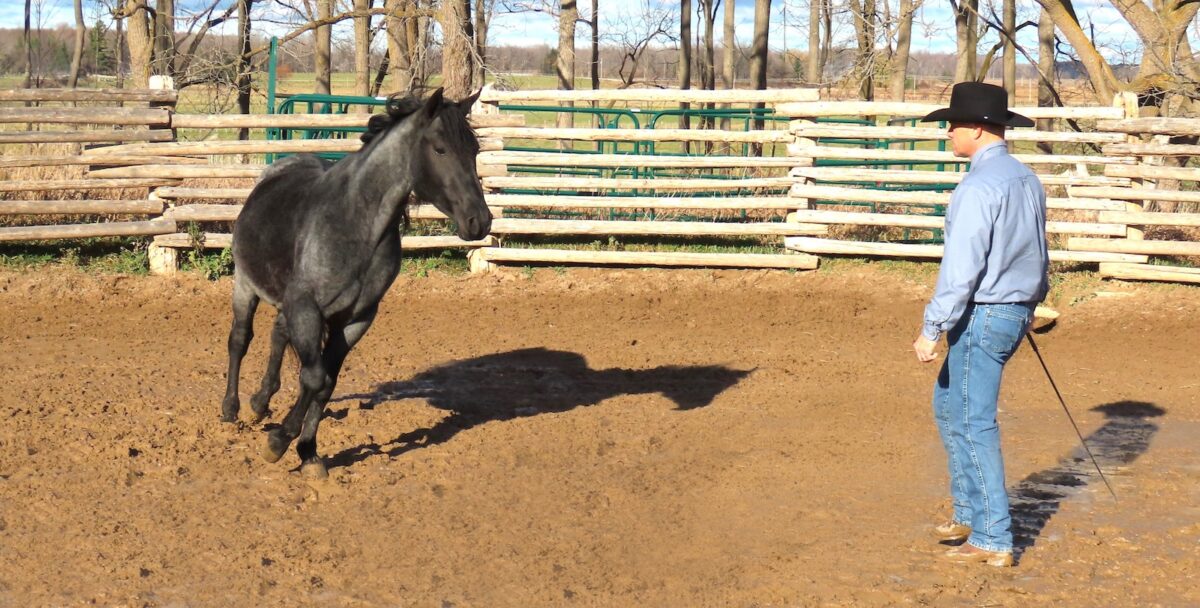
Once your horse has the general idea, there are a few more things that will help this training stick. If you have access to another small area such as another round pen, a corral, or a small arena, it would be good to turn the horse in there and go through the same lessons again. This way the horse thinks that this training applies everywhere and not just in the round pen. Once this is going well, you can turn him out into a bigger field. Don’t turn him out with another horse that’s hard to catch. You don’t want the other horse running away and teaching the one that you’ve been working with to go back to his old ways. When you go out to the field to catch him, walk up pretty close, catch his attention, and then back up a few steps and call him to you. Don’t ask him to come to you from a big distance (at least not in the beginning) because he likely won’t do it, and that would teach him to ignore your cues in a big area.
One last point. Most horses become hard to catch in the first place because every time a person catches them, it’s to saddle them up and put them to work. For this reason, make a point of going up to your horse in the field and petting him at random times and then leave him alone. This way he won’t associate you coming up to him with him always being put to work.
Good luck to you and your horse!





Very helpful, Thank you!
That is a good method. Teaching your horse to catch you is another method.