

Horses may seem determined to get themselves into trouble, but awareness, experience and a little feel can keep most wrecks from happening.
If you’ve been around horses long enough, you’ve probably seen some sort of a wreck.
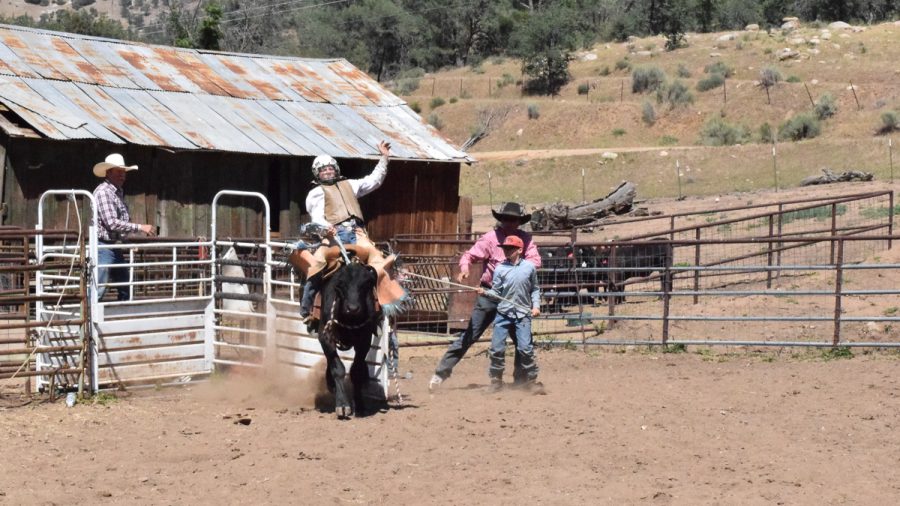
Our equine friends tend to be dramatic creatures, on the whole. They buck, bolt, rear, spook and shy. They snort, kick, whirl and worry. They have just enough curiosity built in to get them in a bind, but often not enough sense or experience to get out of it without panic. I’ve seen them tied to things that aren’t solid enough and set back, and then run terrified, blindly dragging said object. I’ve seen people undo a front cinch and not a back cinch, have the saddle shift and scare a horse, who then gets away bucking and kicking at a saddle now under its belly. I’ve seen horses get hung up in crazy spots, and I’ve seen them get stuck in wild predicaments. Just thinking back and dredging up different memories as I type absolutely knots my stomach. I hate wrecks.
I’ve seen terrible injuries to horse and rider, but much more often, I see everyone walk away shaken but unscathed. It is amazing to me how often I’ve seen “almost a wreck.” Almost wrecks, though scary, sure offer us all experience and get us more aware about what COULD happen, but thankfully didn’t. Sometimes wrecks are avoided by skill, sometimes by quick, intelligent reactions, but a lot of the time, it seems like it’s just plain luck that they don’t end up worse than they are.
See, even though the very idea of anything getting hurt, spooked or bothered around here is concerning, the aftermath of going through it can be just as bad. The wrong experience can stick with a horse or a person, making it more difficult to enjoy life for a good while. Sometimes it can be traumatizing throughout a lifetime.
I hate wrecks. I don’t like pictures or videos of them either. I love drama-free, uneventful situations that end in smiles and success. With the grand majority of our place occupied by horses under three years old, we are often over-assessing our facility: scanning for potential wrecks, sidestepping situations that could be wrecks, and thankful that horses get out of here completely wreck-free.
So, if I’m so opinionated on all of this, what’s the best way to avoid a wreck? I can’t say for sure, but there are things that can help. Have some feel. Read every situation as best as you can before something happens. Be realistic and intelligent about who, how, what and where you ride. Prepare. Train yourself to get short on your reins and stay safe. Spend your time with your horses getting seasoned and gaining experience. Sometimes you have to tiptoe, but a lot of the time, you have to be brave enough to expose your horses to as much as you can and get them to think through as many different types of pressure with thought and care on the handler/rider’s part. This is not a job for everyone, but everyone can utilize some form of it.
Love the horses, hate the wrecks. Although they often seem to, the two do not have to go hand in hand.