
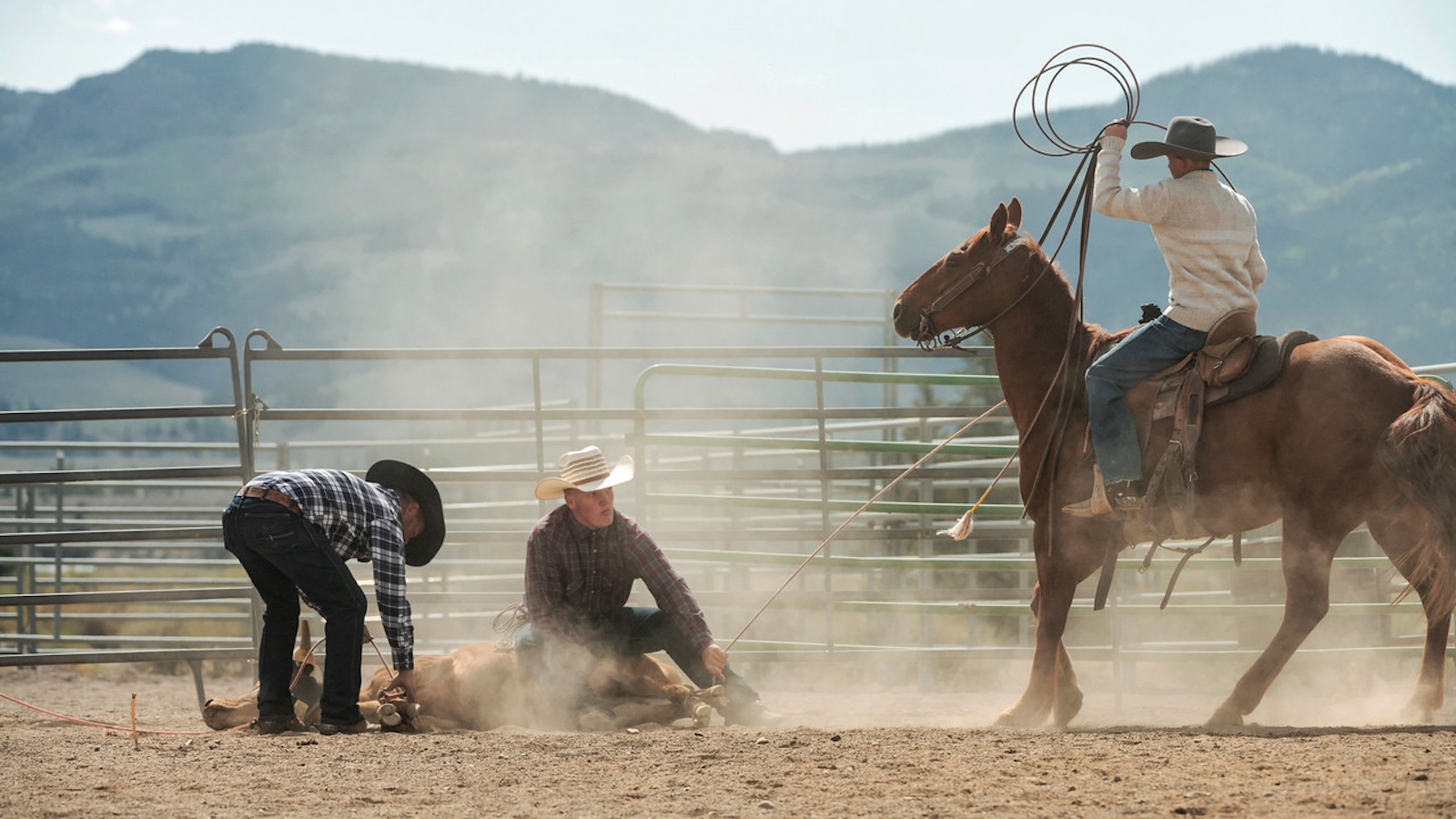
Some say the cowboy is a dying breed, but the next generation of working cowboys is fixing to prove otherwise.
Today’s world is moving quickly: smartphones, social media, drones, iPads, Uber, DoorDash, energy drinks, fast cars, self-driving cars, likes, comments, clicks, clicks, clicks. But somewhere out in the sagebrush, with no reception and no real town within 40 miles, a young girl pushes cattle in the ways several generations before her have done, to the rhythm of an Earth refusing to quicken pace for humanity’s insatiable appetites. A long black line stretches out across the desert before her, lumbering towards new grazing grounds or perhaps a branding trap, small calves tottering along to keep up, leaving only a trail of dust and hoofprints behind as they traverse the vast desert landscape.
The generation raised on cell phones and lightning speed access to information sits as starkly contrasted to the old ways as do the black cattle against the sand and sage of the Great Basin Desert. Against all odds, the young people of the working cowboy community persist in reverence towards a way of life in peril of extinction, each doing their part to keep the traditions of the West alive.
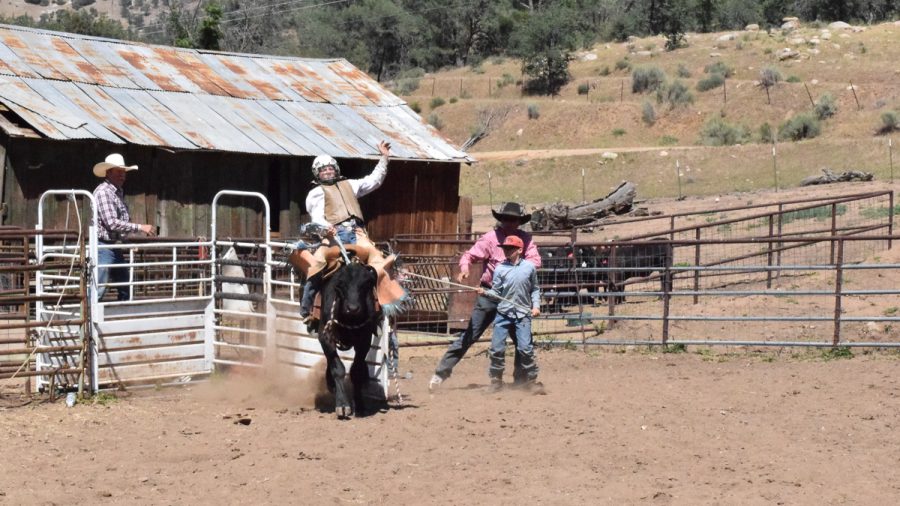
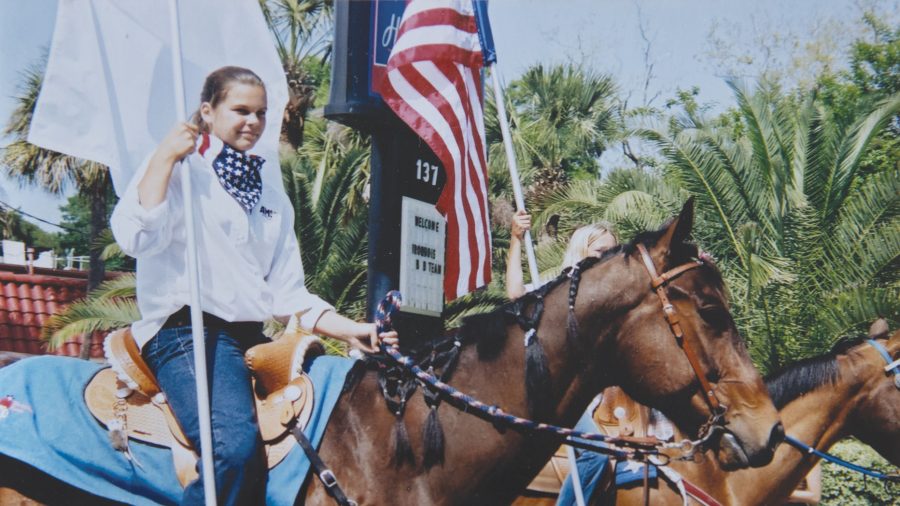
There are countless ranch kids making hands across the country, but certain names come up with regularity: Emme Randall, Hannah Kelley and Tripp Hardesty amongst them. Randall, now 17, began roping as a pro last year in one of the largest Californio-style ranch ropings in the country, The Early California Skills of the Rancho roping held at the historic V6 Ranch in Parkfield, California. Long before that, Randall and her trusty steed, Mr. Ed, were well-known for being competitive, alongside some of the country’s handiest cowboys in the Open classes of larger ropings, like the Brannaman Pro-Am in Provo, Utah.
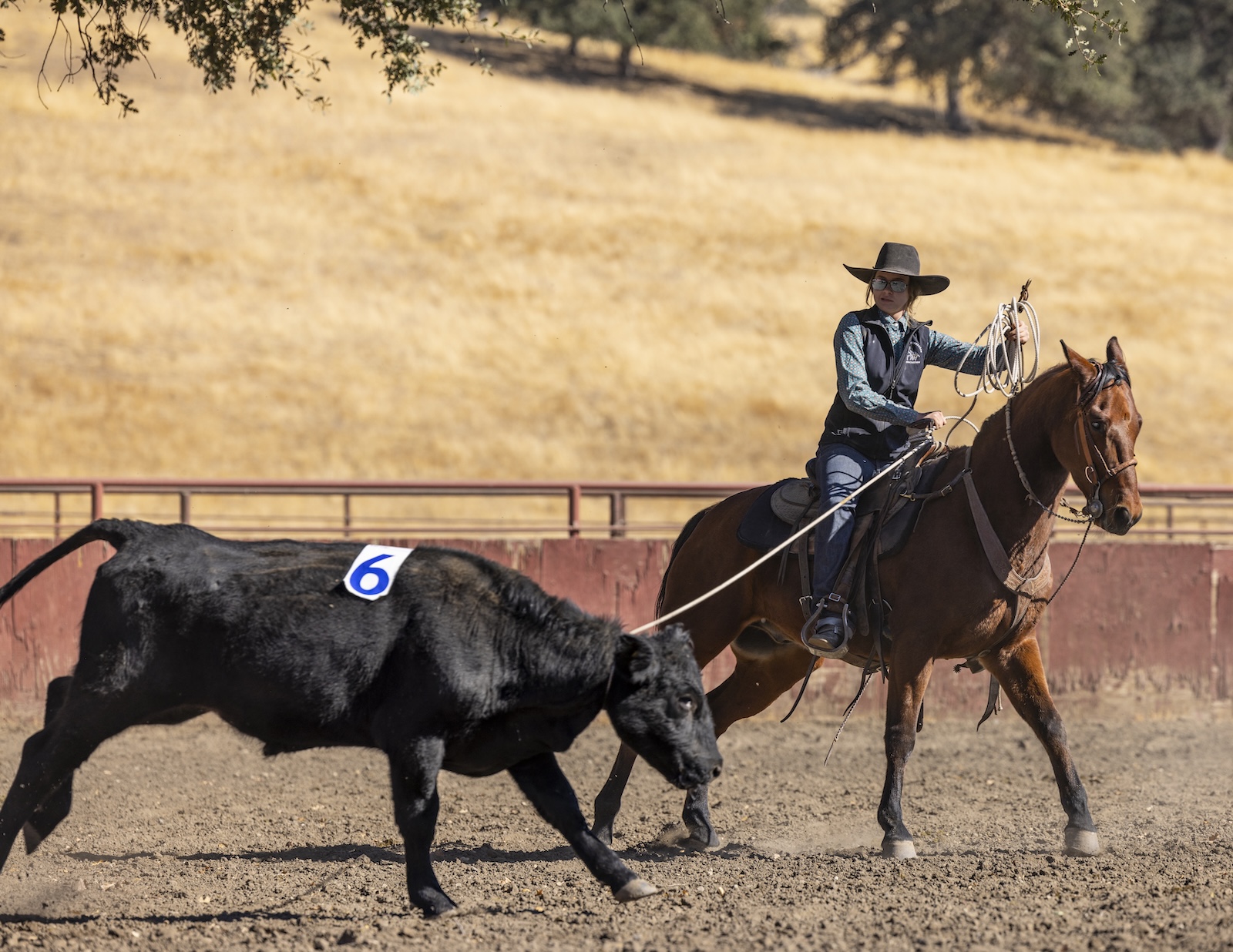
Kelley’s story is much the same, with Kelley, 18, competing well above her age level for several years before winning Top Horse with her handsome black bridle horse in a field of top bridle-horsemen at what is arguably the wolfiest traditional buckaroo roping in the country: the Buckaroo Traditions Gathering in Winnemucca, Nevada. Hardesty, 18, has been a consistent winner of both buckles and accolades within the ranch roping circuits throughout the Western U.S. since he was 14. Because of his humble and helpful nature, Hardesty has consistently brought home various equivalents of sportsmanship awards, along with his numerous buckles, top hand and top horse awards, highlighting that these kids aren’t simply handy beyond their years but are humble and helpful as well.
“The biggest accomplishment to me is just being able to be in the lifestyle and being able to learn and get better at what I know — and I don’t even scratch the surface of knowing everything that’s cowboying in itself — being able to improve and learn from all different kinds of people. Being able to just do it is the biggest thing,” Hardesty says.
Kelley cites being afforded the ability to work on some of the biggest outfits in the country at such a young age, such as the C-Punch and King’s River Ranch, in the employ some of the world’s most talented working buckaroos, while Randall’s focus is the horses she’s making and the honor of being chosen to support less experienced ropers at The Skills. For these young people, the cowboy dream is not fame or individual accolades; it is to keep cowboying and be the best hand you can be while doing it.
“I think my favorite thing about the lifestyle is seeing things from start to finish. You see the cows you raise go from start to finish. You don’t see that very much in town,” Kelley says. “You’re outside, and you see miracles happen. You see it every day. You see baby calves born, you see the wildlife, baby fawns, the wildflowers — you see life every day.”
It’s no secret the mystique of this world and its ways has sparked the interest of writers and filmmakers for generations; however anyone who has lived it is keenly aware these idealized vignettes of cowboy life are often a far cry from reality. The youth of the working cowboy community grew up in saddles, working long days with their parents. Some of them rode along in their mom’s stomachs during pregnancy. From the outside, it may seem idyllic, but it’s easy to forget the early mornings, long hours, grueling work, shrinking returns, days of work that don’t stop because a child is uncomfortable and the barely getting by — nor what it’s like growing up in employee housing or how children feel about moving from place to place with various cowboy jobs.
While certain aspects of their lives provide privileges not afforded to town kids, those privileges are often more philosophical than literal. As with everything in cowboying, there is a trade-off. No privilege comes without hard work and significant sacrifice.
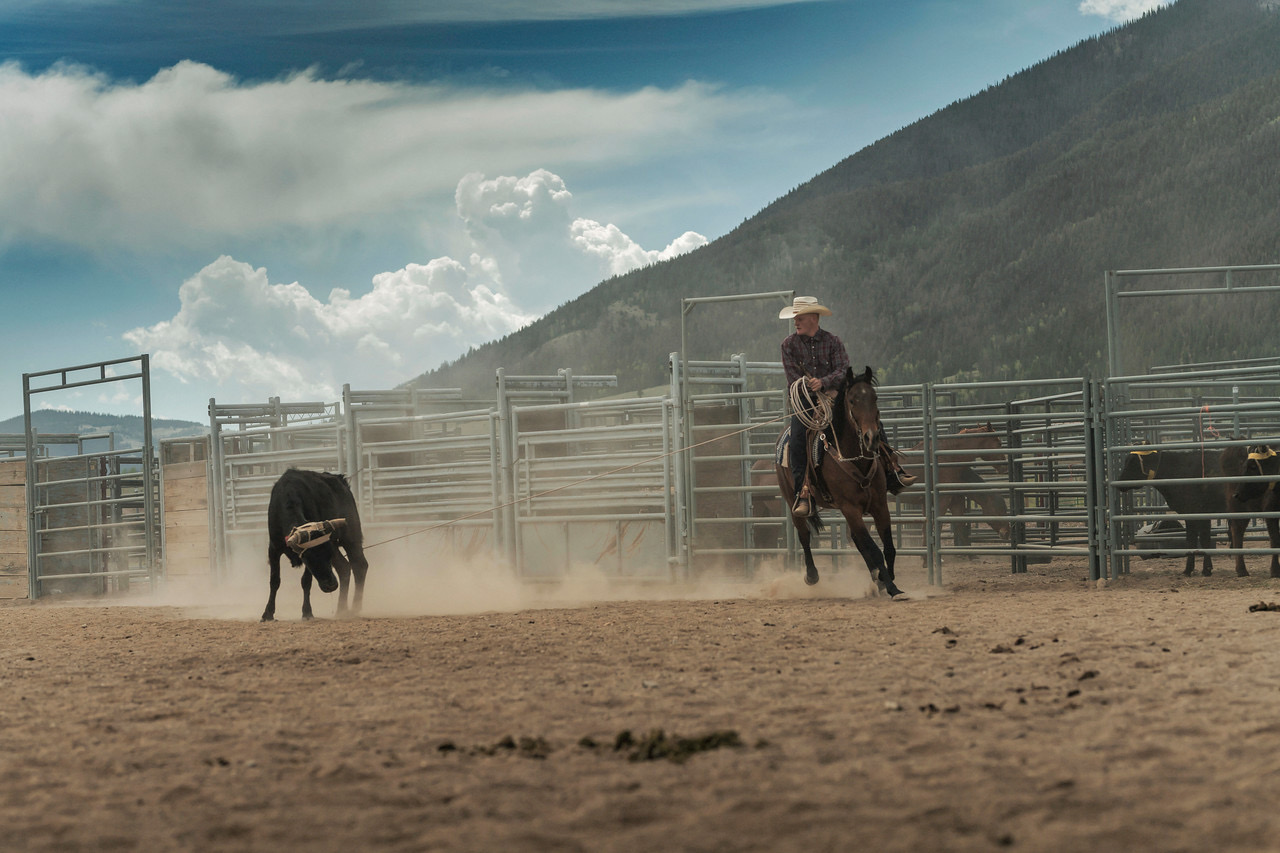
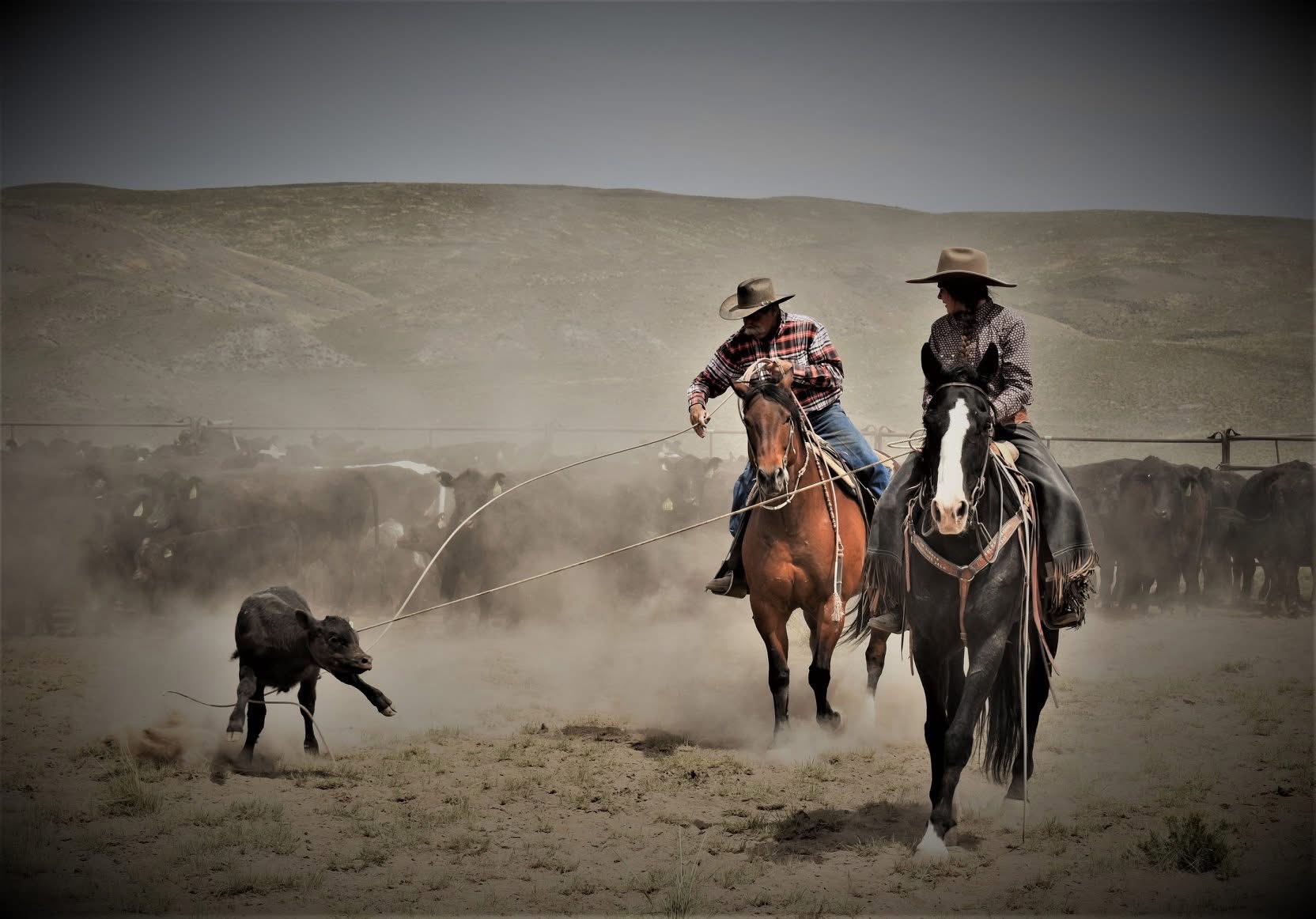
Unsurprisingly, these three do not have large social media presences. They are much busier with the cowboy task than they are amassing followers. A counterculture of their own, they are finding their way forward in an ever-changing world without losing a grasp on the way of life they are deeply committed to, acutely aware of the challenges they face and the difficulties of trying to make it as a cowboy or rancher in today’s economy. While they search for creative solutions, they remain undaunted in their attempts to make it work. Simply put, there is nothing they love more and no other life they want to live.
This juxtaposition of romanticism and unrelenting pragmatism so common within the cowboy community is a defining, dichotomous characteristic of the community as a whole and the children coming up within it. While the cowboy world shrinks around them, and the convenience of technology threatens the slower-moving traditions of working cattle horseback, a sense of both realism and optimism finds purchase here. Each finds themselves exploring how to make it in the world, supporting themselves on a cowboy’s wage. While the challenges are daunting, they find abundant reasons to be hopeful in the face of possible extinction.
“I don’t think this way of life is dying. I think it’s in a slump right now, but I think it’s coming back because you’re always going to need farming and ranching,” Kelley says.
Randall is encouraged by the young women she sees coming up around her.
“I think one of the coolest things that gives me hope recently is that there are a lot more girls getting into (cowboying) now, for sure. I have a lot of friends who are girls who really want this life badly and are going to try to keep it alive.”
While the cowboy’s future sits on shifting sands, and the talk around the tables of the dwindling cookhouses of the West grows bleaker, somewhere out in the sage, a talented, humble, driven freshman class pushes on in earnest towards preservation. The torchbearers are few, but their flames burn brightly against the dimming light of the American West. With the weight of generations on their shoulders, they soldier on, keeping the dream alive with each step. Never was a generation more capable and prepared. May their way be made straight, may their feet never falter and may they experience only the unending support of those who came before them.
Long live cowboys.