

The Maker’s Mark
Don’s constant desire to learn makes him a mentor for many. It is Don’s extensive knowledge of saddlemaking traditions that helps influence and direct the next generation of Sheridan-style carvers and makers, says Western Kentucky University folklore professor, Tim H. Evans.
He’s a living resource, says the author of King of the Western Saddle, the Sheridan Saddle and the Art of Don King. In addition to his extensive museum collection of saddles, tools, catalogs and the like, Don has volumes of books on other art forms, such as medieval tapestries and arts and crafts. According to Evans, Don has drawn upon these resources through the years, and today makes them available for others who do leatherwork.
His father’s experiences working out of the saddle, comments Bill, lends authenticity and innovation to his craft.
“Dad lived the lifestyle, he knew what the guys were looking for;’ Bill adds. “That’s what made the shop so successful. He knew how to tie all the knots and how to put together the lariat when few others were doing it, let alone selling them. He came up with lots of things like non-slip skid boots and different styles of breast collars. He didn’t revolutionize anything, but he did add a different wrinkle everybody liked:’
And though Don’s already endeared himself to the saddlemaking community as a craftsman, says Stormes, he continues to endear himself as a good, humble person, treating craftsmen as equals regardless of their experience or talent.
“I’ve seen a lot of aspiring saddlemakers or carvers ask Don for a critique of their work,” he says. “He’ll always be very encouraging, always find some part of the work he can give them a big pat on the back for. He inspires confidence in people. It’s a great thing that he does. It’s very easy to pick someone s work apart; he never does.”
Don’s stamp as a gifted tool-maker is a notable item not lost on former apprentice Bob Douglas of Sheridan. Don once told him,”If you’re going to do a good job, you have to have good tools.” Today, he owns several tools made by the master saddler and comments, “They’re some of my biggest treasures.”
Carvers, such as Jackson, continue the Sheridan-style tradition, never losing sight of Don’s high standards.
“Quality is really important to Don, and you can see that in his work;’ Jackson says. “He’s a very innovative person-that’s what he’s been known for in terms of saddlework and the other things he does. He’s always looking for new ideas and new things, and that’s what he demands of his help, too. He’d rather see you do high-quality work than push a lot of things out the door. He’s just that type of guy.”
Continuing Legacy
An exquisitely carved Mother Hubbard saddle sits on display in Sheridan’s Don King Museum. One of the last saddles completed by the master saddler, it stands as a testament of days gone by and provides insight into the further evolution of Don’s Sheridan style.
There, on the saddle’s leather canvas, circular garlands of tiny wild roses join other flower varieties, often clustered in trios, and all joined by new styles of leaves. To the untrained eye, the meticulous pattern doesn’t stray far from the original style, except in size. But, to the leather artisans who have studied Don’s work, it means the master has added another chapter. “”
Jennifer Zehnder is a Western Horseman associate editor. For more information on Don King’s work, call Kings Saddlery at (800) 443-8919, or visit kingssaddlery.com. Send comments on this story to [email protected].
Three Schools of Western Carving
Alberta Saddlemaker Chuck Stormes was an admittedly “much younger man” when he met Don King for the first time. Through the years, the men have maintained a friendship, exchanging ideas and sharing each other’s company through their involvment in the Traditional Cowboy Arts Association, of which Don was a founding member. Stormes shares his perspective on three important schools of carving in Western leather crafting.
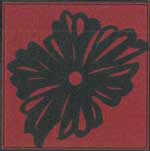
California Style: Often associated with Visalia Saddlery, this Spanish-influenced style has elaborate and ornate carving. In its purest form, it’s much less stylized than the Sheridan or Arizona varieties. Flowers look more like they do in nature, because all stages of bloom are featured. Leaves also show folds and twists, and both flowers and leaves interact in a less repetitious manner.
Sheridan Style: Attributed to Don King of King’s Saddlery and King Ropes in Sheridan, Wyoming, this pattern is the most meticulous of the three styles, featuring balance in all elements. Full-bloom flowers and infolded leaves flow into orderly rows, creating a repetitive pattern. Antiquing methods also contribute to the overall aesthetics for the style.
Arizona Style: Influenced by Porter Saddlery of Arizona, this style is designed to cover the surface of the leather and still keep it affordable for the cowboy. These patterns tend to be bigger, less intricate and more open. Areas where these saddles are ridden are generally chock-full of saddle scarring hazards, such as mesquite and cat claw.