

Internet trends have created an alternate reality in Western music but working cowboy musicians are trying hard to balance ranch life with creating music that means something.
Music has been intertwined with cowboying for as long as cowboying has existed. Long before the advent of the internet, music was used as a pastime and a cure-all for boredom on lonely evenings spent in bunkhouses. This habit stemmed from the musical proclivities of the predominant cultures throughout the profession. Cowboys sang to their herds to soothe cattle and drown out frightening noises on nights spent in new or unfamiliar country. Songs kept up morale and served as a mechanism for storytelling. Even today, music is inseparable from the cowboy trade.
The relationship between cowboys and music created its own genre decades ago. But the cowboy is currently trending, and cowboy music is trending with it, creating a profitable niche for musicians to capitalize on. It has become common practice for folk and Western singers to create an image around being a cowboy without ever having done so, for the sake of career building, filling a gap working cowboys are often unable to fill due to time constraints, the demands of their work, lack of technological know-how or lack of experience in the music industry. This raises questions about who is telling the story of the working cowboy to the world. While the internet may blur the lines of authenticity in cowboy music, there are very real cowboys working to strike a balance between full-time cowboy work and creating music to share with the masses.
Most working cowboy musicians are lesser known within the larger realm of popular music, but not nonexistent and certainly no less talented. Mike Beck is a singer-songwriter who has spent most of his life playing music, cowboying and working with horses. Beck’s younger years straddled two renaissances, one in the California folk music scene and one in horsemanship. He made a hand through both. Beck’s resume is long, and his list of close friends and mentors is impressive, to say the least. Beck was a protege of Bill and Tom Dorrance. He is closely tied to artists such as Ian Tyson, Ramblin’ Jack Elliott and Colter Wall. He is an accomplished guitar player who has toured with several mainstream bands throughout his lifetime. Today, Beck’s life is a balance between helping people create better relationships with their horses and playing music on his terms, not because he can’t do more, but because he doesn’t need to. For Beck, the reward is having the best of both worlds.
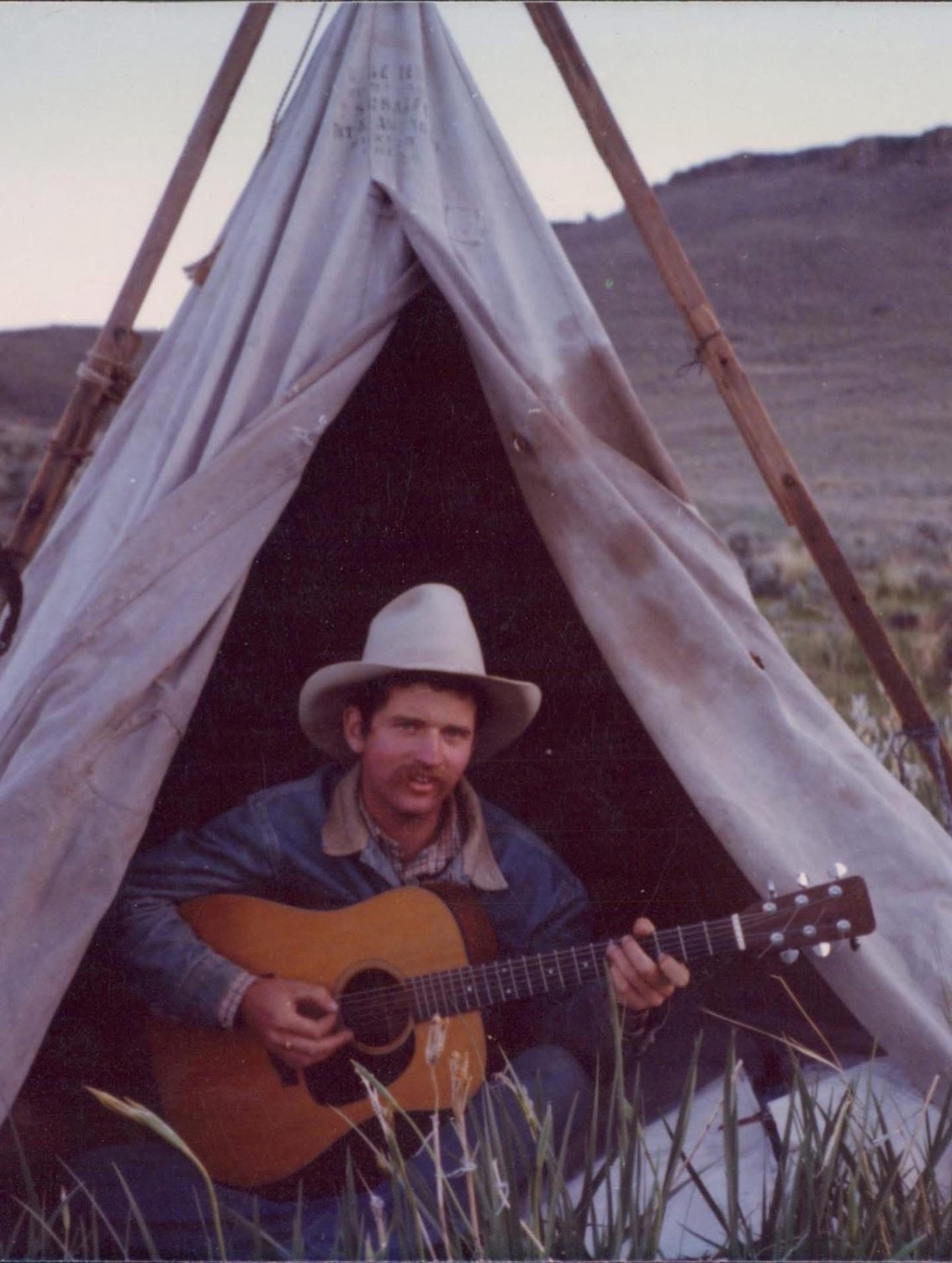
“I would play guitar with bands that had a bus, you know? They were really established,” Beck says. “I’d be away from the horses and cattle, and I missed it. It was hard to find that balance. I think working a ranch job makes things really difficult because it’s so demanding and you have to be there; the job comes first. But you can’t write cowboy songs unless you do it, unless you know the subject.”
Beck encourages upcoming musicians and horsemen alike to find great mentors worth emulating and then do so in earnest, as he did. He recently led a guitar symposium hosted by Great Basin Arts & Entertainment at the historic Martin Hotel in Winnemucca, Nevada. The symposium took place during the day, and several cowboy musicians in town to play the Outside Circle’s Winnemucca event that evening, held in partnership with the Buckaroo Traditions Gathering, chose to attend, Jade Brodie among them.
Brodie came to cowboying through a love for horses. After moving to Winnemucca while working for the railroad, she started feeding cows for a neighbor, which eventually led to a cowboy job. A friend took Brodie to the flagship Outside Circle event, a weekend-long grassroots cowboy music show held in late January in Elko, Nevada, focused on creating a space for authentic cowboy storytelling at a price point working cowboys and their families can afford. Surrounded by like-minded people who love the cowboy way of life and making art reflective of it, she decided, “This is it. I want to do this.” Brodie went home, picked up her guitar and started writing music again.
But balancing a budding music career with full-time ranch work is no easy task. More often than not, one must be chosen over the other. Even so, Brodie ultimately found herself playing the same stage that inspired her just a few years earlier. She is now a veteran artist at Outside Circle events. She is going into her sixth year of cowboying, working on the buckaroo crew at Squaw Valley Ranch in northern Nevada, and is preparing to release her first full-length album. She relies heavily on flexibility and a realistic approach to the structure of her profession as it relates to what she truly wants, which is to enjoy the life of a working cowboy while also creating art she is proud of.
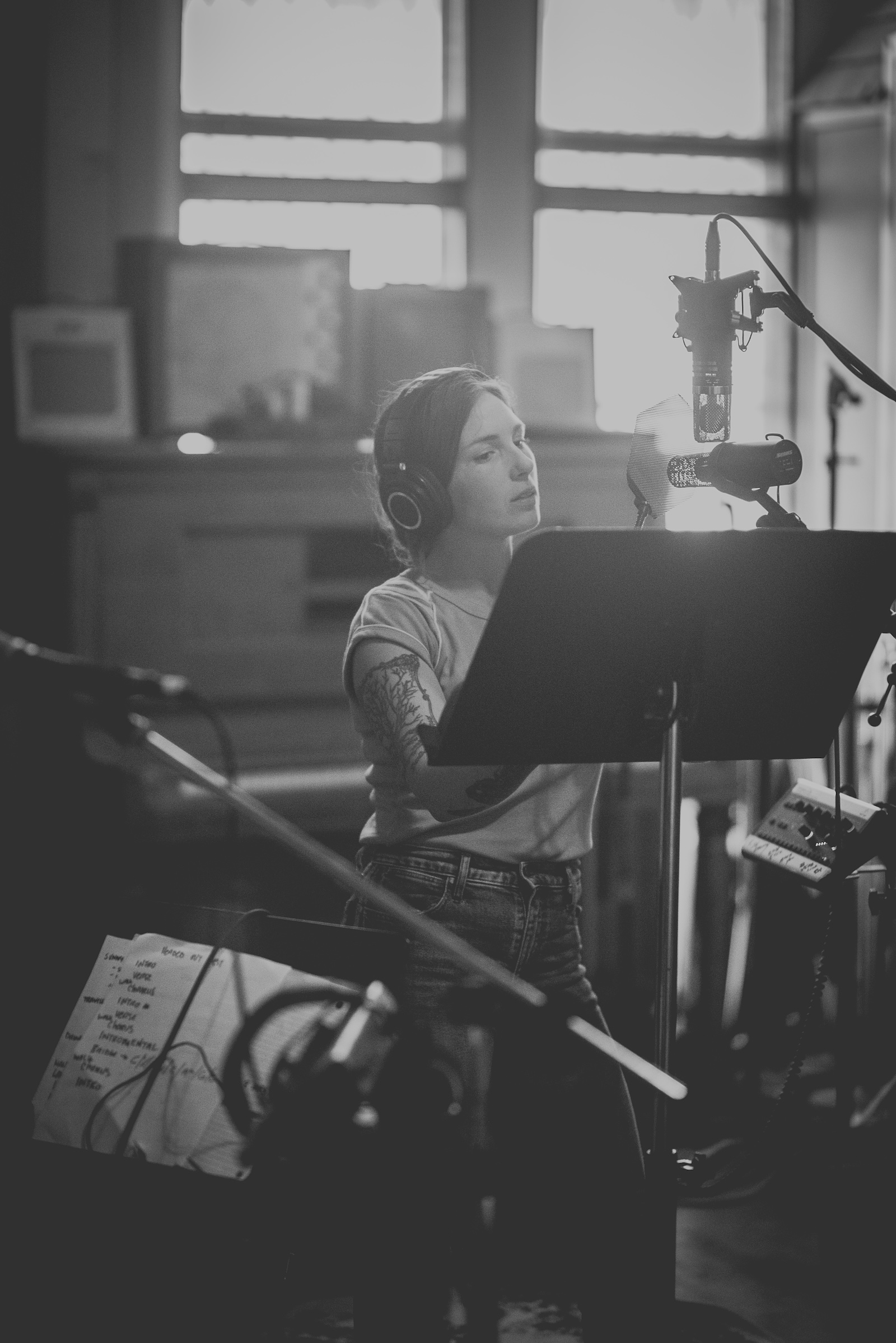
“I think I would rather appreciate music as an art form,” Brodie says. “There’s also the element of how I write songs. I write songs about work while I’m at work, so I don’t feel like I would bring anything to the table as a musician if I wasn’t working. I am not of a mind that writes fiction.”
Many of Brodie’s sentiments echo those of fellow cowboy musician Caitlyn Taussig. Taussig is a Colorado rancher who runs a family ranch alongside her mother and sister. She is a seasoned musician who has played at Working Ranch Cowboys Association events in Amarillo, Texas, Outside Circle events and numerous cowboy poetry and cowboy music gatherings across the U.S. For Taussig, who teetered on the edge of moving into the role of a full-time musician, life could not be enjoyed without the things she truly loved back home on the ranch, far from the lifestyle demands and cutthroat mindset of the music industry.
“I started realizing that I was equating music with money, like it didn’t mean anything anymore,” Says Taussig. “It was losing its meaning, the art and the fun. You’re so lucky when you start making money doing what you love, but then you wake up one day and you’re like, ‘Whoa, I’m not feeling any love for this now because it’s become such a job.’”
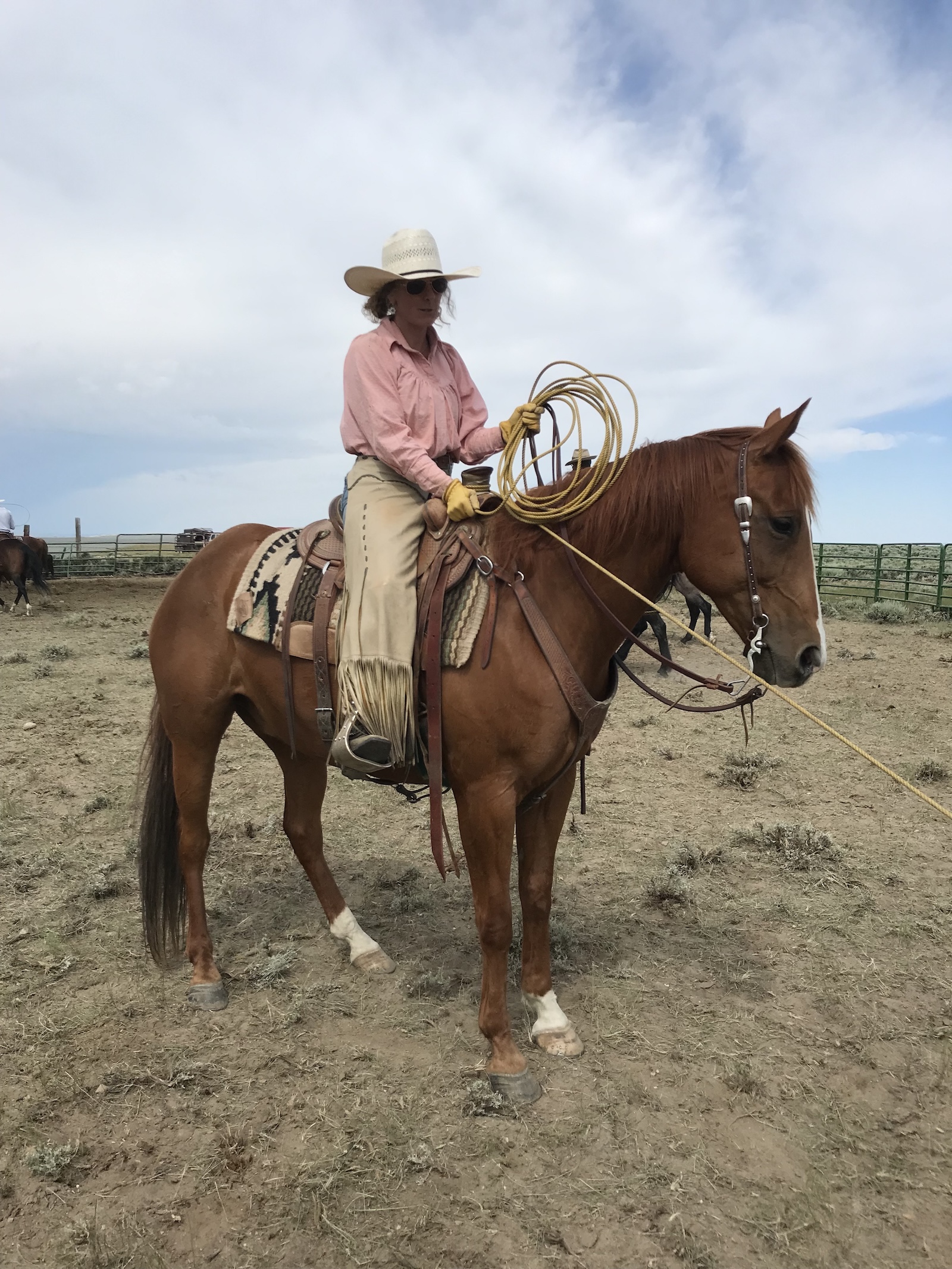
Justin Reichert hired Taussig early in her career to play an Outside Circle Show event at a ranch roping in Carbondale, Colorado, along with Forrest Mackey and Shandee Allen. Reichert is the founder of the Outside Circle Show, a singer-songwriter and a lifelong cowboy. His goal of maintaining authenticity in cowboy music has become a 13-year endeavor that continues to bring together top-quality cowboy musicians from across the west, many of whom have gone on to make a name in the music industry and many of whom have chosen to keep cowboying. For Reichert, the need for authenticity is more important than ever.
“Where I see a danger in a lack of authenticity is social media nowadays,” Reichert says. “These guys with big platforms who sing about big outfits or ‘s— colts’ but have never stepped into a pen with a real bronc, let alone know what it’s like to go to work on bad horses, they’re writing this culture to the public now, whether it’s music, lifestyle, mental health or whatever. They’re speaking in our place.”
Each artist echoed the last, sharing similar concerns, hopes and motivations, each striving to balance the things they love and create something meaningful while telling their stories accurately and honestly. What is real and what is not may blur more by the day, but real cannot be erased. Whether they go mainstream or not, cowboy musicians are still out there working, writing, singing and bringing the world of working cowboys to those who have ears to hear. Like many things, what is real may be harder to find, but it is worth the search.

This was a BEAUTIFUL article. Nearly brought me to tears!