

A couple of years ago, I picked up a new lease pasture to run my cattle on. I don’t run a big herd, but they still eat grass and need somewhere to graze, and land seems harder and harder to come by.
An old timer in the area who runs cattle had called me over to this place.
“Teal, I want out of the ranching business,” he says. “Buy me out of my cattle, and you run your cattle here.”
I said, “Deal,” and we shook hands.
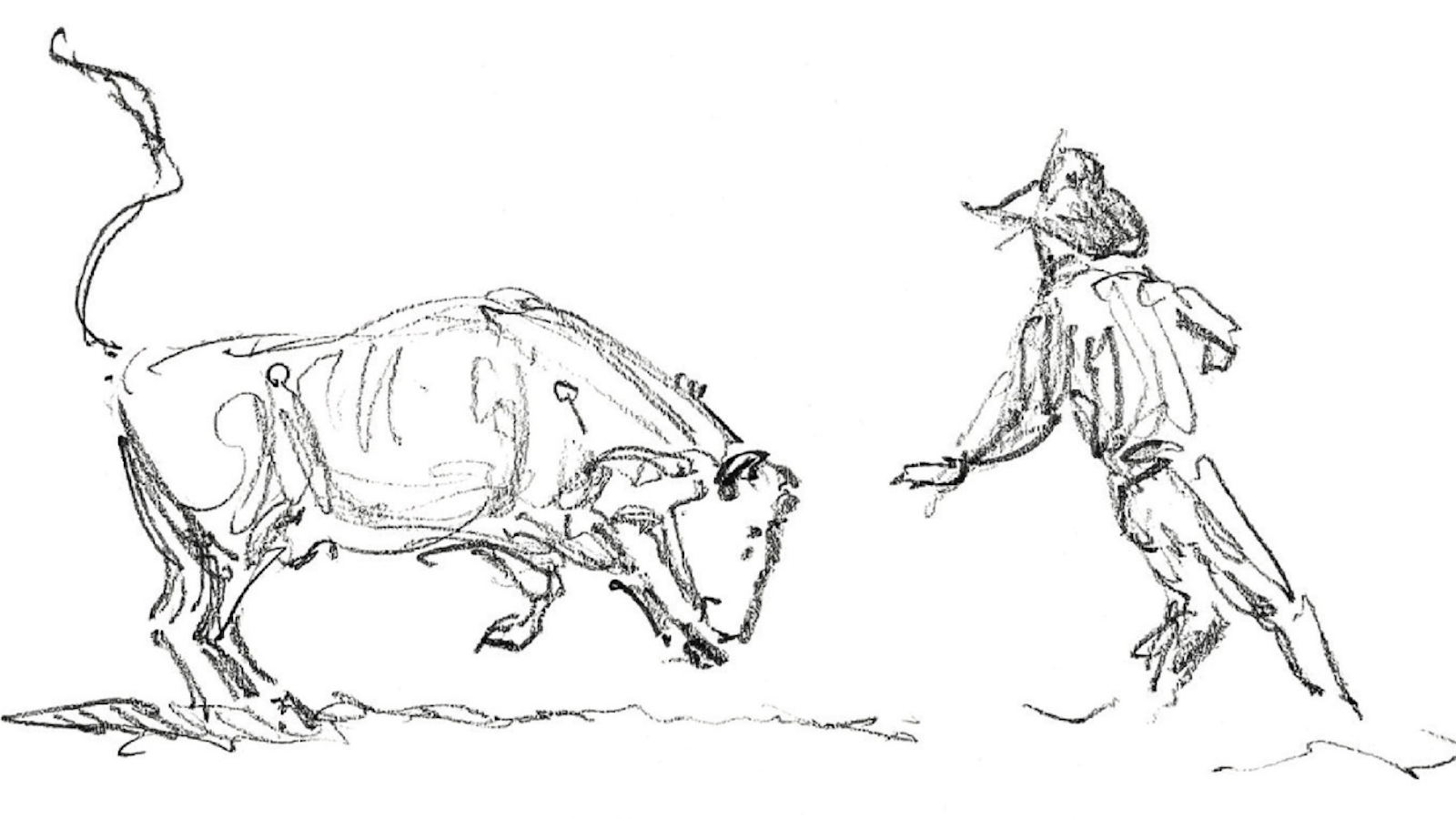
My new lease now contained a few cows and calves that needed to go, the matriarch of the bunch being a high-headed red muley that loved nothing more than to ruin everything, every chance she got. She’d grab a handful of good cows and calves and take them with her the second you were within her eyesight; it didn’t matter if you had a feed sack or not. She’d run out about 100 years and start pawing the earth while lining you out.
Soon after I took over the lease, as I began to regularly check cattle, I learned how her wires became crossed. I watched the old timer run my cattle around with his four-wheeler as his half-pit bull companion ran through the calves — the entire her wild-eyed and looking for relief. All the while, my landlord smiling ear to ear.
I smiled politely while my landlord tried to teach me the fine ways of handling cattle aboard his Honda.
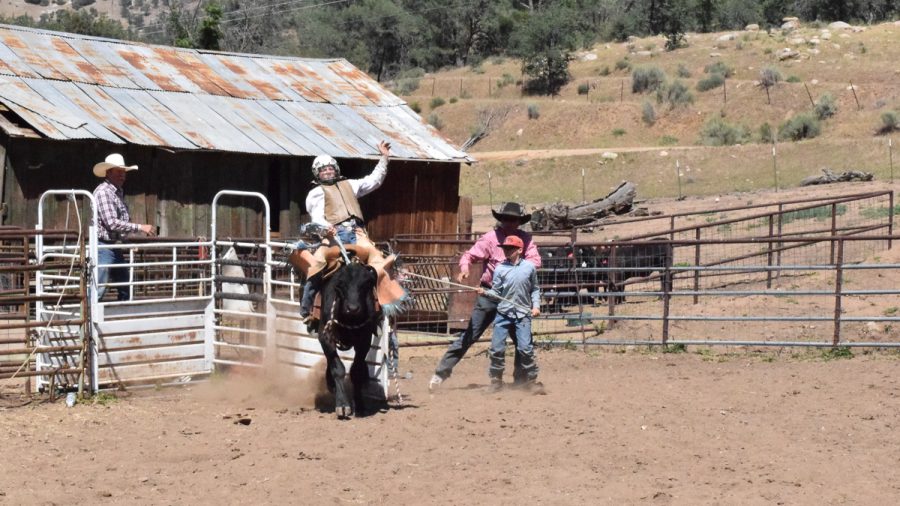
Anytime I got cattle penned, the red cow was the first to tear them down and run you over on her way out, always dodging the sale barn. Sagebrush drifters may say, “Teal, why didn’t you just rope her?”
Well, my northern friends, thou clearly have never chased bovine through the oak mots of Texas — also, I already tried that. It resulted in my horse forking a tree at Mach 7 and ejecting me out the left rear side.
This fall, I moved all my cattle closer to home, except the red cow. Eventually, after several attempts, her stomach got the better of her. With some feed in the pens and a quick gate on the trailer by my father, she was caught. I smiled all the way to the sale barn. Dad rode with me. When I got back int he truck after kicking her out, Dad calmly said, “Goodbye, Lucile.”
When the sale barn check came, I giggled, and when I read she was five months bred, I couldn’t help but think of who the poor old soul was who took her home. I hope he’s fast-footed.
This article was originally published in the February 2024 issue of Western Horseman.