


A Nutritionist’s Guide to Supplements
Good nutrition is the cornerstone of any horse’s well-being. In addition to a balanced feed program, supplements can help address gaps in a horse’s diet and provide extra nutritional support during times of increased workload, like competition season.
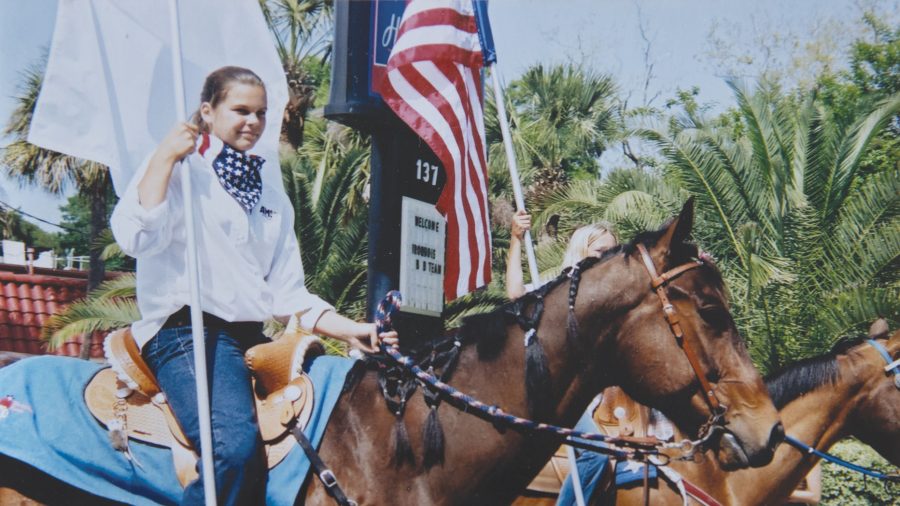
I am often asked, “Does my horse need supplements?” As a nutritionist, my job is to help horse owners interpret science and apply it to their feeding programs. I specialize in helping horses, especially competition horses, reach their full potential. As a rider myself, I understand the challenges of keeping horses in top shape, no matter the discipline.
With many products on the market boasting flashy benefits for your horse, it is important to use a methodical approach to evaluate whether a supplement should earn a place in your feed room.

Pre-supplementation Checklist
Supplements can offer valuable nutritional support, but they’re not a magic tool or a cure-all. Before supplementing, audit your program and, if needed, work with your veterinarian to rule out other concerns.
Forage quality: Horses should consume about 2% of their body weight in forage daily. If your horse is eating enough but not thriving, you may have a forage quality issue.
Dental health: Have a professional check your horse’s teeth twice a year and address issues as needed. Poor dental health can hinder the ability to chew and digest feed properly.
Feed selection: Confirm you have the correct product for your horse’s life stage and activity level, and you are feeding correctly based on the product instructions. This is the most common error I see in feed programs!
Veterinary consultation: Sometimes, medical issues may look like nutritional problems. Always consult your vet to rule out potential health issues.
Take it for a Test R.I.D.E.
Not all supplements are created equally. Before purchasing a supplement, use Purina’s Test R.I.D.E. approach as a framework to help you think critically and cut through the noise.
R: Look for credible, published Research that supports what the supplement is claiming.
I: Check for key Ingredients relevant to the supplement’s claims.
D: Ensure the ingredients are Delivered in amounts appropriate for the size and weight of your horse and make sense for the goal you are trying to achieve.
E: Monitor your horse’s condition to determine if the product delivers the desired Effects.
take purina® for a test r.i.d.e.
Sign up for a 30 day Purina supplement trial and see the difference in your horse. Visit purinamills.com to learn more.
Three common areas where supplements can help
If you’ve completed the checklist above, done your research and are ready to further optimize your horse’s nutrition, here are some areas where a supplement might make sense.
- Gastric health: If your horse has a history of gastric discomfort, or for horses that travel or experience stress, a gastric support supplement can be a helpful addition. Products like Purina® Outlast® Gastric Support Supplement can offer simple, effective support of your horse’s gastric health daily or during times of stress.
- Muscle recovery and development: Performance horses have higher protein needs than horses at maintenance and can benefit from targeted supplementation. Amino acid supplements like Purina® SuperSport® Amino Acid Supplement can promote muscle recovery, helping horses return to pre-exercise levels of comfort within 24 hours.
- Shiny coat and weight management: If your horse is already getting enough calories and just needs some extra shine, a small amount of added fat may help. However, some performance horses require a greater boost in calories to help maintain weight through a busy show season. A fat supplement like Purina® Amplify® High-Fat Horse Supplement can help your horse maintain weight with a concentrated source of calories that can be added to the daily ration.

Purina’s supplements have meticulously researched straightforward formulas and are working in barns around the country, every day. Sign up for a Purina supplement trial at purinamills.com to try a Purina supplement for 30 days and see the difference in your horse.
Anna Pesta Dunaway, Ph.D., is a nutritionist on the equine technical solutions team at Purina Animal Nutrition. She is responsible for helping bring innovative solutions from the research team out to the field. Pesta Dunaway spends most of her time providing technical consultations and support to the sales team on the East Coast, as well as speaking on equine nutrition at horse owner meetings and professional conferences. She earned her BS in animal science from Kansas State University and received both her MS and Ph.D. in animal nutrition from the University of Nebraska. Her graduate research focused on the use of high-fat diets and manipulating the microbial community in the gut. Pesta Dunaway resides in Aiken, South Carolina, and is a lifelong equestrian with a special interest in the nutrition and development of the future sport horse.
This article was originally published in the August 2025 issue of Western Horseman.