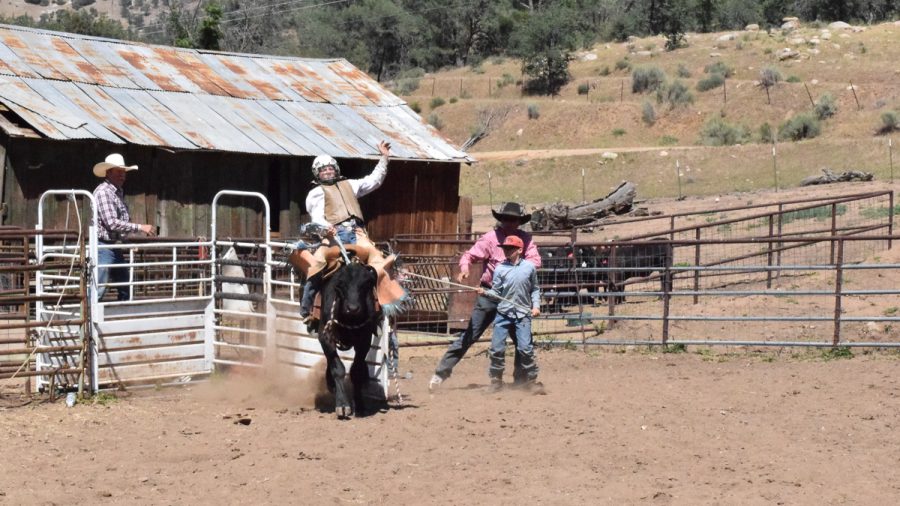



Charly Crawford shares how ropers can increase their catches and clock faster times without actually roping.
Plain and simple, those who don’t catch their steer shall not earn a paycheck. With that in mind, any team roper, breakaway roper or ranch versatility competitor understands that improving their loop is the key to winning.
However, with so much attention placed on swinging, throwing and catching, Charly Crawford believes many ropers don’t realize the pivotal role their horsemanship plays.
“There’s so much emphasis on catching, and with good reason,” Crawford says. “If you’re at a jackpot and you miss, you’re done. But what gets neglected, in my opinion, is the horsemanship.”
Crawford, a professional team roper who qualified for the Wrangler National Finals Rodeo 10 times in heading, now travels throughout the country conducting roping clinics. He focuses on teaching improved horsemanship skills and explaining how they lead to prettier runs, a higher percentage of catches and faster times.
“Growing up, I watched a lot of ropers who rode so well,” Crawford says. “A lot of those guys ranched. They sorted cows, rode fence all day and doctored calves out in the pasture. They spent more time doing things with their [non-roping] left hand and feet than they did [swinging a rope] with their right hand. Nowadays, it seems like a lot of ropers are learning to ride in the arena, which is fine. But everything they do is so focused on catching. There are so many flaws in their technique because they haven’t developed how to use their left hand and feet.
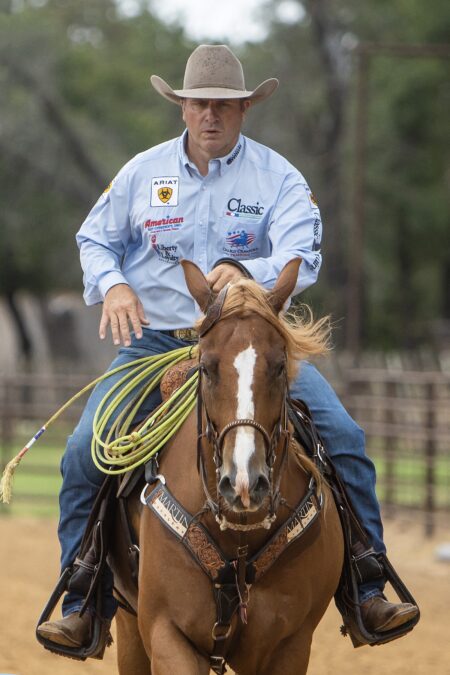
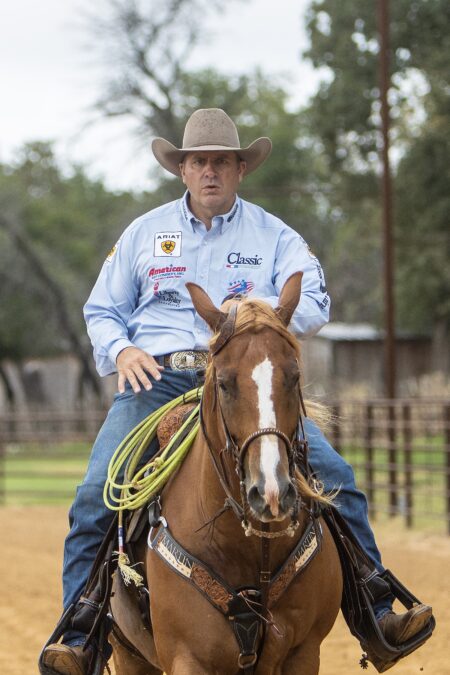
“I highly encourage ropers to learn the moving parts of their run and give their left hand and feet a job to do. Think about the responsibilities your left hand and feet have. They get your run started, show the horse where to go, slow him down and get him in position to set up an easy throw, and help you set and handle the steer.”
Crawford points out that honing your horsemanship skills is a never-ending process. There is always room for improvement.
“We have to teach our hands and feet what they need to do,” Crawford says. “And we have to do it over and over again until it turns into a habit. That helps so many riders keep the frustration levels down. But when ropers get antsy and they’re not being clear with their cues, think about how hard that is for the horse.”
Those who are more effective at guiding their horse put themselves in a better position to catch their steer or calf, according to Crawford. Here, he shares several drills and strategies to help ropers step up their horsemanship.
STEP IT UP DURING WARMUP
Crawford says that warmup is an opportune time for ropers to concentrate on using their feet and rein hand to guide their horse.
“We’ve all seen everyone just loping around in a left-hand circle before a team roping,” Crawford says. “There’s nothing about doing that that preps the horse, other than just getting warmer. If you go to a basketball game, the team is not running around in a left-hand circle. They’re dribbling the ball, passing it and shooting it. So, ropers should simulate what they’re about to do during their warmup.”
Crawford says that horseman and clinician Chris Cox taught him how to ride his horses in a square pattern during warmup. The straight lines require riders to keep their horse between their reins and feet.
“Find an object in the distance, like a pole, point your rein hand between his ears and line it up with that pole,” Crawford says. “It’s good to be able to point your horse exactly where you want to go, where he learns how to ride toward something.”

He adds that the corners of the square pattern also cause riders to guide with those aids in a more meaningful way. Particularly when riding to the left, the turns simulate a team roping run. It’s an opportunity for ropers to forget about the rope and focus on how to use their feet and left hand.
“There’s so much adrenaline in team roping, and that’s when the hands get sharp and abrupt,” Crawford says. “This drill slows things down and helps you soften your hands.”
Crawford both trots and lopes through the square pattern, slowing down in the corners, speeding up in the straightaways and mixing it up a variety of ways. He says changing speeds sets up the horse and rider for better roping runs.
“For the horse and the rider, it causes them to be very deliberate about going faster and then slowing down,” Crawford says. “So many people struggle with slower steers because they get in position and throw, but they let the horse keep going. The anxiety level at that point is so high because the roper is just thinking, ‘Rope!’ But you’ve still got to draw that horse down, keep the same speed as the steer, stay in position and set up an easier throw.
“This drill teaches you to draw it down when you get to that spot. You learn to move forward by putting your shoulders over your toes, and then draw it down by putting your butt into the saddle and sinking your shoulders into your hips. During warmups, you can visualize doing this in your runs. After a while, you’ll get in position on that steer and just automatically draw down and rate your horse.”
Randomly speeding up and slowing down during the square drill also makes the horse more mindful of the rider’s cues, instead of slipping into run-off mode.
“Do this in your warmups, and later when you rope and need to open your horse up, you’re in position to slow him down,” Crawford explains. “The drill really does help if your horse is getting strong. When he’s going fast and catches up to the steer, he’s already thinking about you drawing him down.”
TAKE THE TIME TO RIDE
Crawford says it’s common for ropers to slip into a rut where the only time they saddle up is to rope.
“How many times do you go out and just ride?” Crawford asks.
He says trotting down the road, riding through a pasture or even trail riding can be a good change of scenery and create an opportunity for riders to sharpen their cues. For example, working a gate horseback forces riders to use their feet.
“Go open and close gates,” Crawford says. “Think, ‘Okay, once I open the gate, how do I want to go through it? Do I want to side pass, or do I want to simply move his hips?’ Be very intentional about what you’re doing.”
Ropers who can precisely position their feet to move the shoulders, hips or ribcage have an advantage when moving their horse’s frame at various points during a roping run.
Crawford also advises riding with other horsemen of different disciplines, attending horsemanship clinics or at least following respected clinicians on social media.
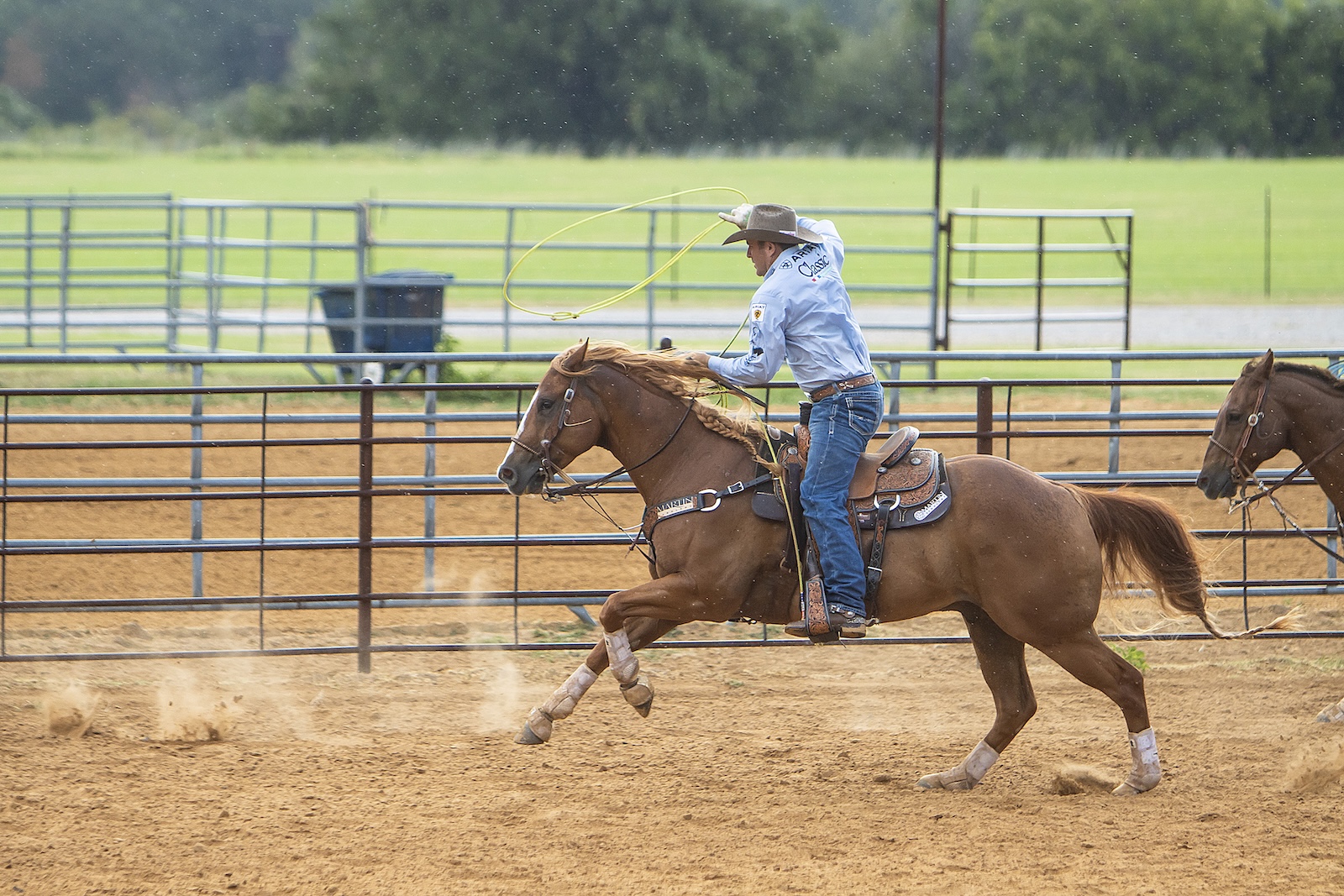
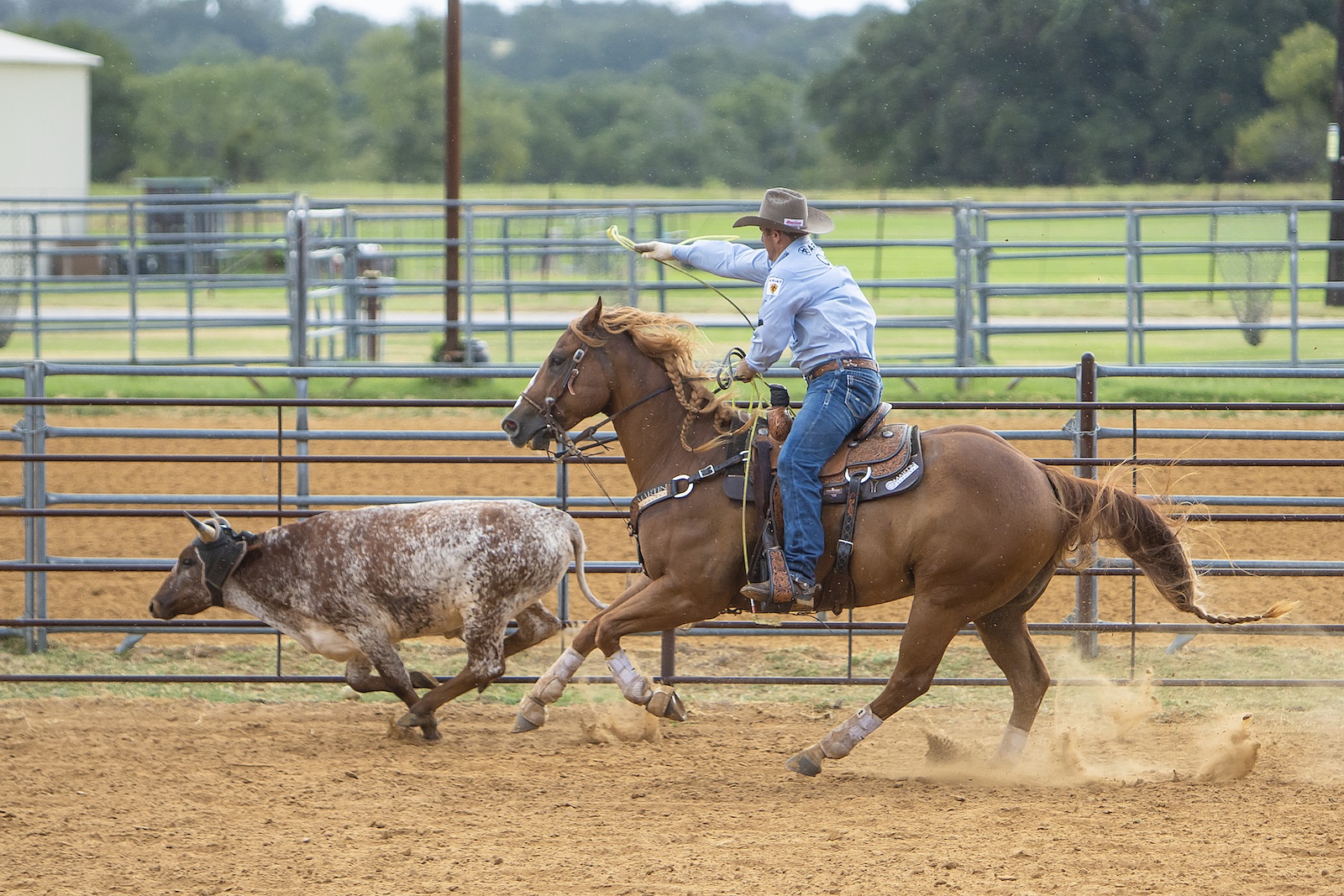
“I know it can be hard if you’re in South Dakota and you don’t have anybody to go ride with,” Crawford says. “There are so many platforms out there where you can learn. You can find horsemen who have information that relates to you, and they will have a step-by-step method for learning their techniques. It’s going to improve your roping.
“I’ve learned from so many different people. Some of it comes from just watching them. I admire the guys who train and there’s no emotion. They’re always thinking, always very clear with what they’re asking.”
MAKE THE MOST OF A MISS
Whether in competition or in practice, missing the steer is frustrating. But Crawford says it’s an opportunity.
“Missing can be devastating, for sure,” Crawford says. “But one thing that can take your mind off it is finding what you can utilize out of that miss. If you catch a lot as a header, it’s not going to take long before every time you catch, your horse wants to go left. They’re easily patterned animals. So, when I miss one, there are times when I can still feel my horse leaning on my left leg a little. That’s a situation where I can stand him back up, go straight, and get him paying attention and between my legs and reins again.”
On that note, Crawford sometimes makes runs without even swinging his rope. It puts the horse in the heat of the moment but allows him to recognize bad habits and flaws in performance.
“Sometimes it’s good to put the rope in your ‘holster’ and ride up to the steer,” Crawford says. “You’ve probably done enough with the right hand. Set up in the box, leave and hit your lane behind the steer, slow your horse down, stay in position and focus on what your left hand and feet are doing.”
Overall, when ropers take time to focus on how they ride, rather than how they swing and throw their loop, it will make them more successful at catching and hitting the pay window.
“Slow it down, do some drills and get to where your hands and feet learn to relax,” Crawford says. “When your left hand and both feet do their job, it makes it a lot easier for your right hand to rope. They’ve all got to work together.”
This article was originally published in the November 2025 issue of Western Horseman.