

Taking care of your horse’s health is a crucial part of being a responsible horse owner. That’s why Western Horseman curated this collection of products designed to help you keep your horse in peak health and comfort.
Newborn Life
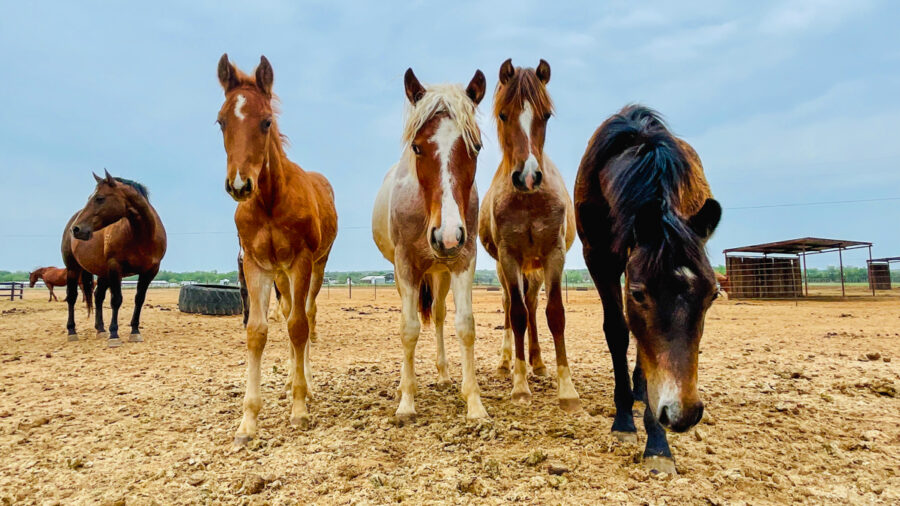
Mares and foals go through so many changes the first few months after delivery. This is a crucial time for health and development, which is why we asked Brazos Valley Stallion Station foaling manager Kevin Vorhes for advice on keeping your mare and foal healthy in this season.
Vaccinate
The easiest way to ensure good health for your mare and foal starts with a good vaccination program for the pregnant mare. Those vaccination benefits will be passed on to the foal through the placenta and colostrum — crucial, since foals don’t receive vaccines until they’re around 3 months old at Brazos Valley
Stallion Station
“Your mares get all their vaccines before they foal — VWT, rabies and we also give strep [vaccinations} here,” Vorhes says. “We give all the mares rotavirus vaccine also.”
Frequent Check-Ins
Vorhes recommends having someone check on the mares and newborn foals three, four, even five times a day. You’re looking for listlessness, lack of interest in feeding — anything out of the ordinary that could signal something is wrong.
“Watch if the baby is breathing heavily or acting ‘dumpy,’ or if they’re lively and respond to you,” Vorhes says. “If they’re laying down and sleeping, look to see if they stretch when they get up. You just have to know your animal.”
Limit Contact
If your barn houses mares and foals, you’ll want to keep outside horses and horses that travel to other locations or shows away from the vulnerable newborns. “If you’ve got horses going back and forth to horse shows, you want to limit their exposure to mares and foals as much as possible,” Vorhes says.
Keep Products On Hand
Vorhes has a medicine chest of sorts full of products he likes to use to keep mares and foals healthy. “We keep Gas-X and Lactaid on hand,” Vorhes says. “The Lactaid helps a baby if he’s getting too much milk and gets a bit of the scours [diarrhea]. Gas-X helps if they get too gassy. We also always have a thermometer on-hand to check [temperatures on] the mama and the baby.”
Clean Environment
Young horses do not have a fully developed immune system, so Vorhes advises keeping their living quarters as clean and dry as possible, with shelter, if they’re in an outside enclosure. “You want them to have a good, dry place where they can rest and get out of the elements,” Vorhes says.